




.svg)
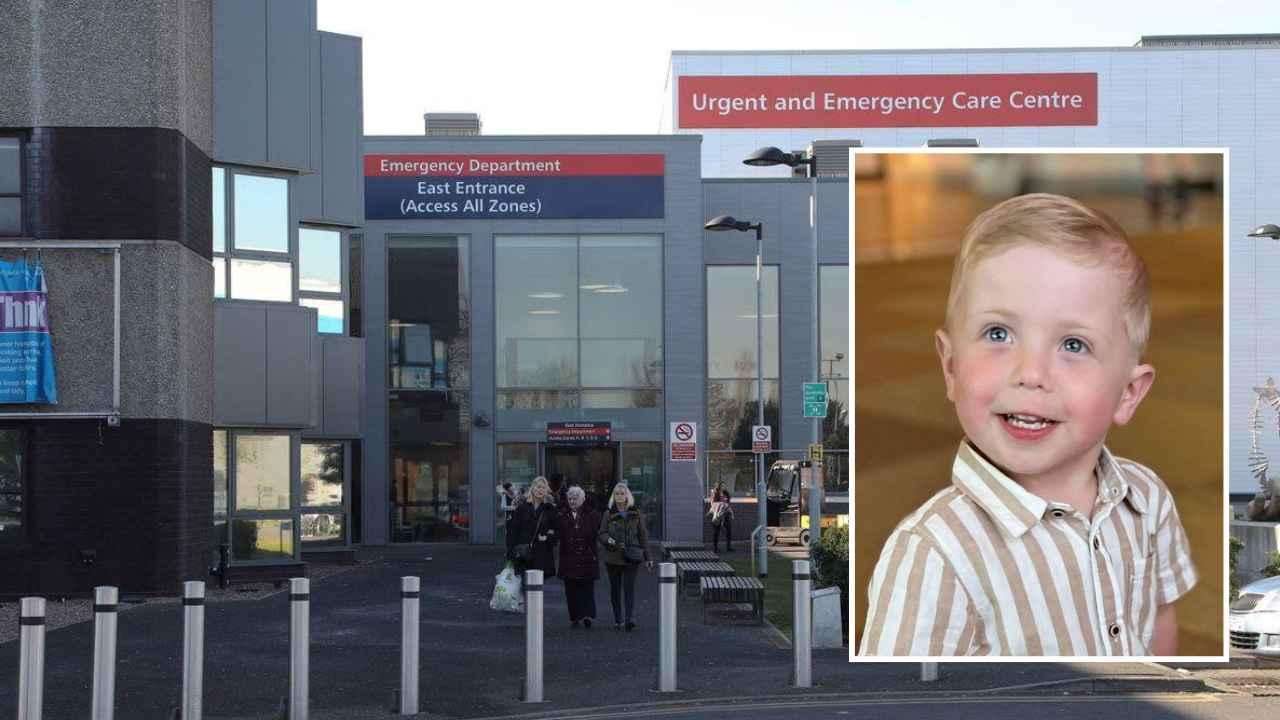
Two-year-old Hudson Cole Perrins died from sepsis and multiple organ failure four days after doctors at New Cross Hospital in Wolverhampton diagnosed him with constipation, prompting his family to pursue answers over his care. The Royal Wolverhampton NHS Trust has admitted failures in the care provided to Hudson and agreed an undisclosed settlement with his family following a two-year fight led by his mother, Kayleigh Taundry.
Hudson was taken to New Cross Hospital by his concerned father in June 2024 after he began suffering from stomach pain. Doctors assessed the toddler and concluded that constipation was responsible for his symptoms before sending him home after administering two suppositories and an enema.
Four days later, Hudson died at Birmingham Children's Hospital after developing sepsis caused by a urinary tract infection. His condition progressed to multiple organ failure.
Kayleigh Taundry has spent the past two years seeking an explanation for what happened to her son and why his condition was not identified earlier. She has now secured a settlement from the Royal Wolverhampton NHS Trust, although the amount has not been disclosed.
Daily Dazzling Dawn understands that the NHS trust has accepted failures in Hudson's care, including issues surrounding pain relief and the checking of his catheter during the final days of his illness.
For Kayleigh, the settlement cannot change the outcome for her son but represents formal recognition of concerns that she says have caused immense distress to the family.
“Nothing will ever bring Hudson back, but it means a great deal to finally have it accepted that he should have been given pain relief and that his catheter should have been checked properly,” she said.
She also expressed hope that the findings would lead to meaningful changes in clinical practice and prevent another family from experiencing a similar loss.
Hudson had a complex medical background, including bladder and kidney problems and a heart condition. He was born with a heart defect and underwent major heart surgery when he was seven months old.
Despite those challenges, his family believed he was making significant progress before his death. Kayleigh said Hudson had begun catching up with other children developmentally and was starting to talk.
“He was one month from turning three,” she said. “He was very cheeky and boisterous, but really loving as well. He really loved a cuddle and was really affectionate. He was our baby.”
She described his heart surgery as a major hurdle that the family believed they had overcome, making his sudden deterioration particularly difficult to comprehend.
Hudson had been recovering and developing alongside his peers, according to his mother, who said the family had not expected him to die.
“We are all still in denial. I can't put it into words, he was a beautiful boy,” she said.
Kayleigh believes hospital staff followed what appeared to be the most obvious explanation for Hudson's symptoms by treating him for constipation, despite what she considered limited evidence that constipation was responsible.
She has questioned whether a wider investigation into his condition could have identified the urinary tract infection and prevented the deterioration that ultimately led to sepsis.
Her concerns also extend beyond the initial diagnosis. She believes Hudson was left experiencing significant pain during the final days of his life and that more appropriate pain relief and closer checks of his catheter should have been provided.
The Royal Wolverhampton NHS Trust's admission of failures in care forms an important part of the settlement reached with the family. However, the undisclosed financial agreement does not undo the circumstances surrounding Hudson's death.
The tragedy has also profoundly affected Kayleigh's relationship with the trust. She had worked for the Royal Wolverhampton NHS Trust as a nurse for 18 years but left her position in April.
Kayleigh said she no longer felt able to dedicate her time, skills and professional commitment to an organisation she believed had failed her son.
Her decision highlights the deeply personal impact the case has had on a family that had already endured significant medical challenges during Hudson's short life.
Kayleigh said she hopes the failures identified through the case will result in genuine learning and improved care for other children.
The family now faces life without a child they described as affectionate, lively and increasingly confident in his development. While the settlement provides recognition of the failures acknowledged by the NHS trust, Hudson's mother has made clear that no financial award can compensate for his loss.