





.svg)
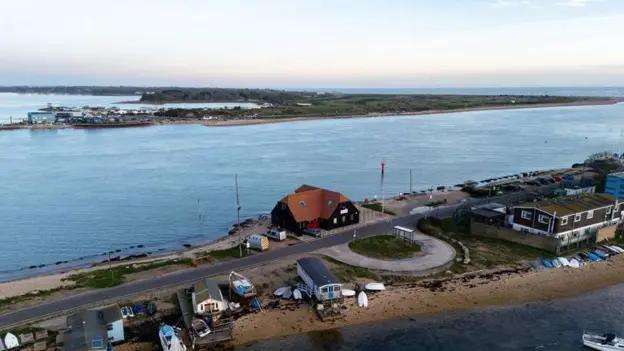
The Royal National Lifeboat Institution has formally suspended search and rescue operations at its Portsmouth lifeboat station after crew members suffered targeted physical confrontation and online abuse following the rescue of Channel migrants. Charity executives confirmed the operational pause took effect on Monday 7 September 2026, invoking strict duty of care protocols to safeguard volunteer crew members and conduct a comprehensive security review. The decision follows intense public hostility triggered on Sunday 6 September 2026, when two all-weather lifeboats brought 120 individuals ashore at Eastney Point near Portsmouth after intercepting an overcrowded dinghy that embarked from Normandy, France.
Escalating Hostility and the Decision to Stand Down
The temporary closure of the Hampshire station materialised after hundreds of hostile demonstrators converged on the Eastney shoreline, barricading surrounding transport corridors to halt vehicles scheduled to transfer arrivals to processing facilities in Kent. Lifeboat personnel faced intense verbal harassment, with activists labelling maritime volunteers as traitors and accusing the historic charity of operating a maritime shuttle service. The vitriol extended onto social media platforms, forcing station administrators to deactivate the Portsmouth RNLI public digital channels to shield crew identities.
Jacqui Irons, the south-east regional director for the institution, confirmed that search and rescue coverage across the Solent and surrounding coastal waters remains fully active through neighbouring flank stations and independent maritime services coordinated by His Majesty's Coastguard. Regional leadership reiterated that maritime safety assets are dynamically positioned to prevent operational gaps while internal assessments review crew welfare and evaluate physical security measures across local infrastructure.
Revised Security Guidance for Frontline Personnel
Daily Dazzling Dawn understands that institutional directors have rolled out stringent protective guidance across frontline units in response to heightened community tensions. Peter Sparkes, chief executive of the charity, informed volunteers that the evolving climate required immediate operational precautions. Crew members have been advised to exercise personal discretion regarding the display of official insignia and branded apparel when representing the maritime service in public spaces.
The revised security directives empower local station leaders to shut operational doors whenever perceived threats endanger station staff. Operational personnel have also been instructed to challenge unaccredited visitors, verify formal identification badges on charity property, and immediately disengage from public interactions that display hostility. Executive leadership characterised the intimidation as unacceptable behaviour driven by anonymous agitators online and masked demonstrators on shorelines.
British Bangladeshi Ex-Tower Hamlets Officer Pocketed £284k Across Five Roles, Southwark Hears
Operational Mandates and Maritime Safeguards
Legal proceedings remain ongoing across Hampshire following the disorder at Eastney Point, where several individuals were detained on violent disorder charges and multiple police constables received medical treatment for injuries sustained during the confrontation. Daily Dazzling Dawn learned that certain personnel targeted by digital harassment had taken to the water purely to safeguard demonstrators who had entered the surf to confront arriving vessels, rather than participating directly in the initial Channel transit.
National maritime statistics confirm that the vast majority of small boat interceptions are conducted directly by Border Force vessels. The maritime charity accounts for approximately two per cent of migrant arrivals, deploying rescue vessels only when directed by HM Coastguard to avert imminent loss of life in treacherous sea conditions. Legendary solo circumnavigator Sir Robin Knox-Johnston publicly defended the humanitarian mandate, reminding critics that volunteer rescue services uphold an unyielding statutory obligation to assist anyone in maritime distress without prejudice. Portsmouth RNLI intends to restore full operational capability once station infrastructure reviews conclude.