




.svg)
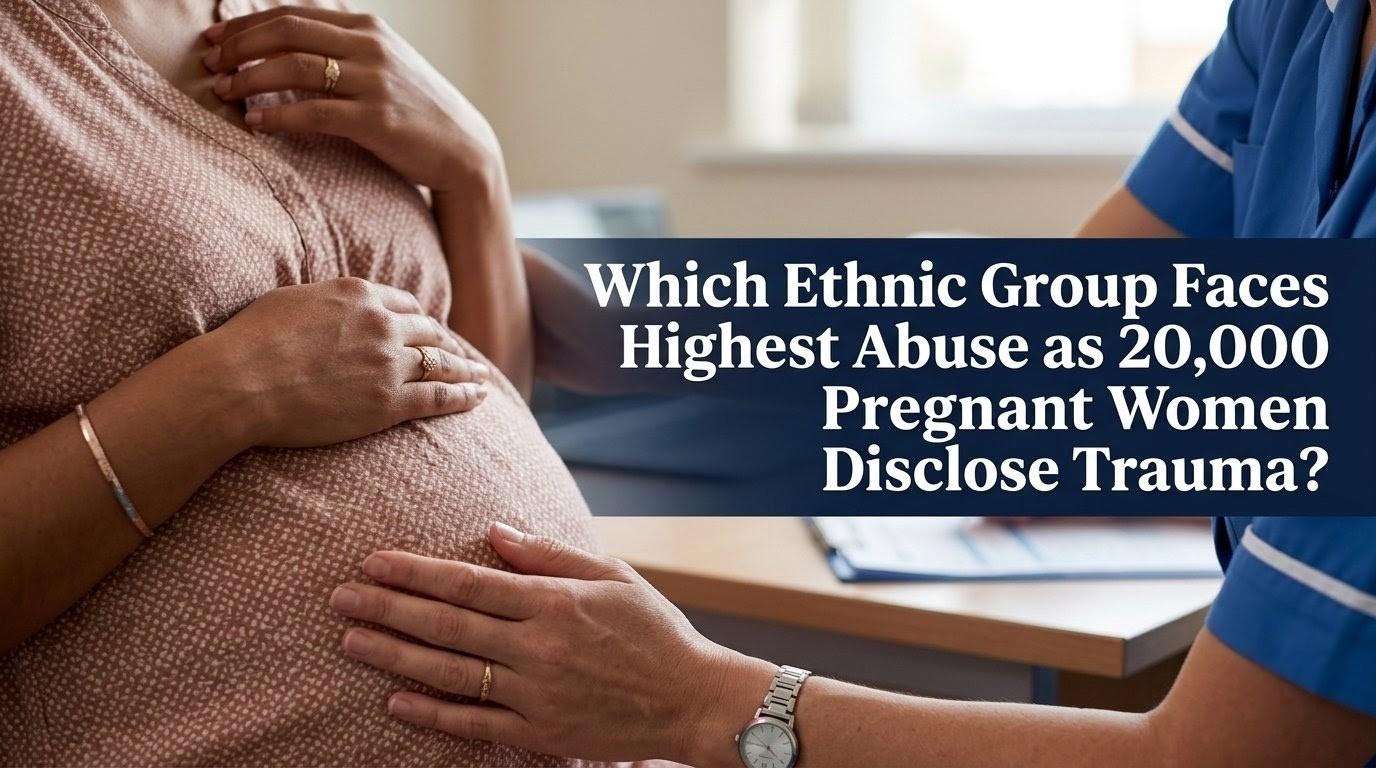
Approximately 20,000 pregnant women disclose domestic abuse to maternity wards across England every single year, according to landmark clinical analysis that exposes severe frontline strain within National Health Service trusts. The data reveals that approximately 3.3 per cent of all maternity booking appointments in English NHS trusts record admissions of either active or non-recent domestic abuse, establishing maternity carers as the primary bulwark against escalating household violence. Despite the critical nature of these interventions, severe workforce shortages, compressed consultation windows, and acute under-resourcing leave midwives struggling to secure adequate protective pathways for vulnerable mothers and unborn infants, Daily Dazzling Dawn understands.
The empirical analysis establishes that maternity bookings serve as one of the very few clinical environments where women are routinely seen entirely alone by a healthcare professional. Clinical leadership warns that the headline figure of 20,000 disclosures represents a conservative estimate, masking widespread under-reporting driven by coercion, fear of child safeguarding intervention, and complex cultural barriers. Gill Walton, chief executive of the Royal College of Midwives, stated that the findings lay bare realities that frontline practitioners confront on everyday shifts. Walton stressed that identifying domestic abuse during initial antenatal visits requires substantial time and systemic back-up, warning that detection without immediate referral pathways turns vital clinical intervention into missed safeguarding opportunities.
Independent violence advocacy groups emphasise that pregnancy remains an acute trigger period for domestic abuse onset and escalation. Women’s Aid interim head of external affairs, Veronica Oakeshott, indicated that while maternity clinicians occupy an irreplaceable frontline role, they require extensive multi-agency assistance to manage disclosures effectively. Safeguarding specialists at the For Baby's Sake Trust underscored that the perinatal window offers an irreplaceable opportunity to alter long-term developmental and maternal outcomes, provided hospital trusts provide structured decompression time and dedicated specialist domestic abuse workers alongside standard midwifery rotas.
Wider demographic evidence from the Office for National Statistics demonstrates how socioeconomic and cultural pressures intersect with disclosure patterns across England and Wales. While national population-level crime survey data indicates people of mixed ethnic backgrounds record the highest statistical rates of domestic abuse victimization at nearly 7.9 per cent, Asian British demographics—including Pakistani and Bangladeshi communities—officially document the lowest formal reporting rates at approximately 2.0 per cent.
Specialist safeguarding leads note that artificially low statistical rates among British Pakistani and British Bangladeshi women do not signify an absence of domestic abuse. Instead, frontline research reflects acute institutional hurdles, extended family scrutiny, fear of community ostracisation, and language barriers that deter formal disclosures during brief clinical consultations. When domestic abuse does occur within multigenerational British Asian households, victims face combined pressures encompassing emotional coercion, dowry-related disputes, and severe threats of familial isolation. Midwives operating in high-density urban areas frequently lack access to independent, confidential interpreters, leaving vulnerable women unable to disclose abuse safely in the presence of attending family members.
NHS England maintains that every maternity worker receives mandatory safeguarding instruction, equipping clinicians to ask direct questions safely and route disclosures to housing, policing, and third-sector crisis refuges. Chief Midwifery Officer Kate Brintworth affirmed that maternity and neonatal personnel remain dedicated to responding to disclosures with sensitivity, dignity, and immediate clinical support.
However, systemic reviews across NHS trusts highlight persistent gaps between clinical protocols and hospital delivery, speaking to Daily Dazzling Dawn. Frontline staffing shortages restrict antenatal check-ups to rigid administrative timeframes, reducing the opportunity for midwives to build trust with patients. Without sustainable funding for embedded independent domestic violence advisers inside delivery suites, clinical staff fear thousands of vulnerable women will continue to slip through fragmented institutional networks.