






.svg)
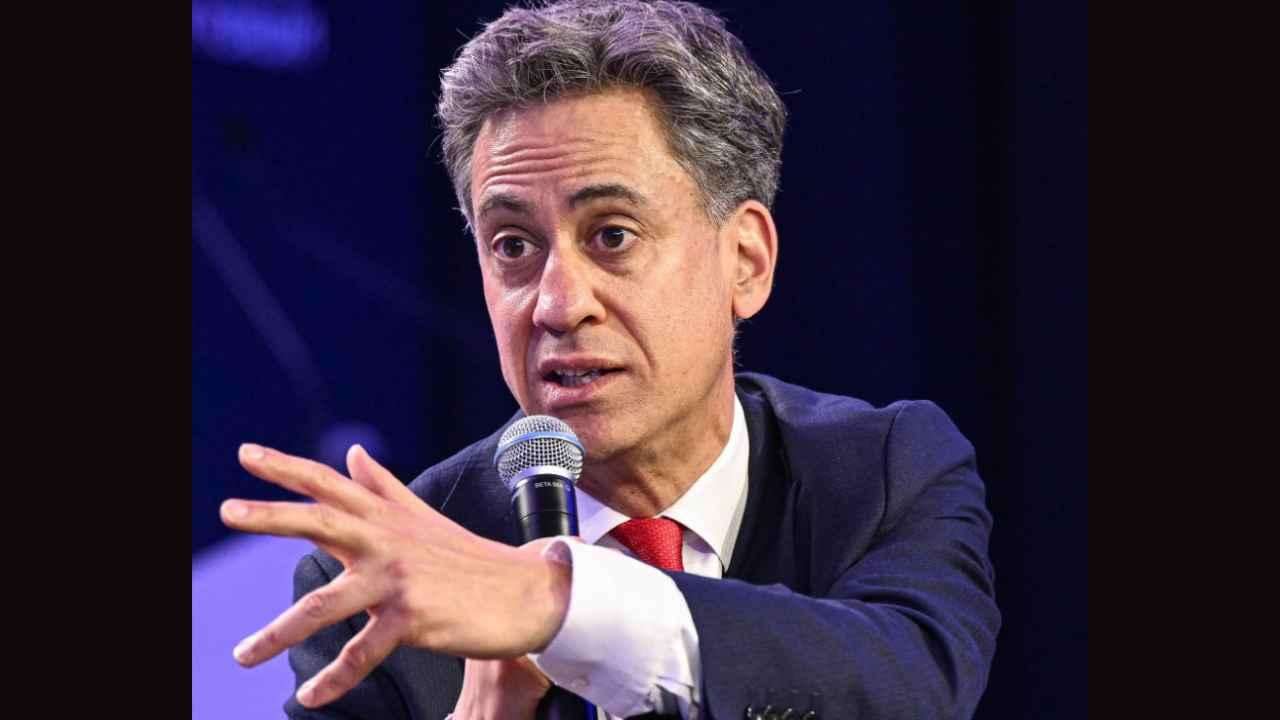
UK Foreign Secretary Ed Miliband is set to call for urgent reform of the global financial system, arguing that developing countries are being failed by high borrowing costs, mounting debt repayments and inadequate access to affordable finance. Speaking in Bangkok on Wednesday, 14 October 2026, during the annual meetings of the International Monetary Fund (IMF) and World Bank, Miliband will urge international development banks to help heavily indebted governments secure better refinancing terms and longer repayment periods.
Miliband is expected to argue that the current international financial system is not meeting the needs of developing economies, particularly those facing growing pressure to fund public services, climate resilience and economic development. He will call for a new approach to debt support, with the UK promising to use its diplomatic influence to press for change.
The proposals come as many developing countries struggle to balance debt obligations against essential spending on education, healthcare, infrastructure and climate adaptation. The debate also raises questions about the responsibilities of public institutions and private lenders when countries face unsustainable borrowing costs.
In his planned remarks in Bangkok, Miliband will argue that the global financial system and wider international order are failing developing countries on debt, resilience and climate issues. He is expected to describe reform as both a matter of British values and a strategic interest for the UK.
He will call on the World Bank and other multilateral development banks (MDBs) to make greater use of their financial resources to ease pressure on governments struggling with expensive borrowing.
The proposed approach includes extending repayment periods and helping countries refinance existing debt at more favourable rates. The aim is to give governments greater fiscal space, allowing them to direct more public money towards national priorities rather than allocating an excessive share of revenue to debt servicing.
Miliband is also expected to argue that a more effective international financial system could help attract private investment to emerging economies. Greater financial stability and improved access to affordable credit could make it easier for businesses to invest and support long-term economic growth.
The cost of servicing public debt has become a major concern for governments across the developing world. Campaigners argue that high interest payments can limit the resources available for education, healthcare, infrastructure and climate-related investment.
In sub-Saharan Africa, spending on debt servicing is reported to exceed spending on education by more than three times. The imbalance highlights the difficult choices facing governments that must meet financial obligations while responding to the needs of their populations.
Debt pressures can also weaken a country's ability to respond to extreme weather, natural disasters and other economic shocks. When a large proportion of government revenue is committed to repayments, funding for resilience measures and emergency support may become harder to secure.
Supporters of debt reform argue that more affordable financing could help countries maintain essential services and invest in projects that strengthen their economies. However, the details of any proposed relief, including who bears the cost, remain central to the debate.
Miliband's proposals are expected to focus on the role of multilateral financial institutions, including the World Bank and IMF, in helping countries manage debt difficulties.
He will argue for reforms that make financial assistance available more quickly when countries face a crisis. The proposed changes include preparing financing in advance so that governments can receive support within days rather than waiting months.
The UK is also seeking changes to the international framework used to restructure debt owed by countries that can no longer meet their obligations. Critics have argued that the existing Common Framework can be slow and cumbersome, delaying agreements at a time when governments urgently need financial certainty.
One concern is that negotiations can be held up when different creditors disagree over the terms of restructuring. The UK wants reforms that prevent private creditors from obstructing progress, with Ethiopia cited in the wider debate over delays in debt negotiations.
Any overhaul would need to address the interests of borrowing countries, public institutions and private lenders while establishing workable arrangements for sharing financial losses.
Miliband is expected to draw comparisons with the 2005 Gleneagles summit, held when a previous Labour government led the G8 group of major economies. The summit followed the Make Poverty History campaign and helped secure agreements that eventually delivered large-scale debt relief to more than 30 countries.
The earlier initiative demonstrated how coordinated international action could reduce debt burdens and support development goals. Miliband will argue that a comparable level of ambition is needed today, although the financial and political circumstances have changed.
The UK has committed to restoring its international reputation on development issues, but the government has also reduced its aid budget to fund higher defence spending. This has created a tension between its stated development ambitions and the resources available for overseas assistance.
The proposed focus on debt refinancing and the use of international financial institutions' balance sheets offers a different route to supporting developing countries, although its effectiveness will depend on the terms and scale of any measures agreed.
The timing of Miliband's intervention is significant because the UK is due to assume the presidency of the G20 in 2027. The group provides a forum for major advanced and emerging economies, including China, India, South Africa and Brazil, to discuss international economic challenges.
Chancellor John Healey is also expected to set out the UK's G20 priorities in Bangkok, including proposals to mobilise more resources from the balance sheets of the IMF and World Bank.
The presidency could give the UK an opportunity to place sovereign debt, development finance and the reform of international lending arrangements higher on the global agenda. Progress, however, will depend on reaching agreement among countries with different economic interests and approaches to debt relief.
Tim Jones, policy director of the campaign group Debt Justice, has welcomed the focus on debt reform but warned that private creditors must also bear some of the costs.
Jones argued that debt relief would be incomplete if public funds were used primarily to protect private lenders from losses. He said that private-sector creditors should share the burden so that resources can support investment rather than simply repay existing loans.
The issue is likely to remain central to negotiations over the future of international debt restructuring. Governments seeking relief want more affordable and predictable financing, while creditors must negotiate terms that determine how losses and repayments are distributed.
Miliband's planned intervention sets out a case for reform, but the impact will depend on whether international institutions and creditor countries agree to practical changes.






.jpg)