





.svg)
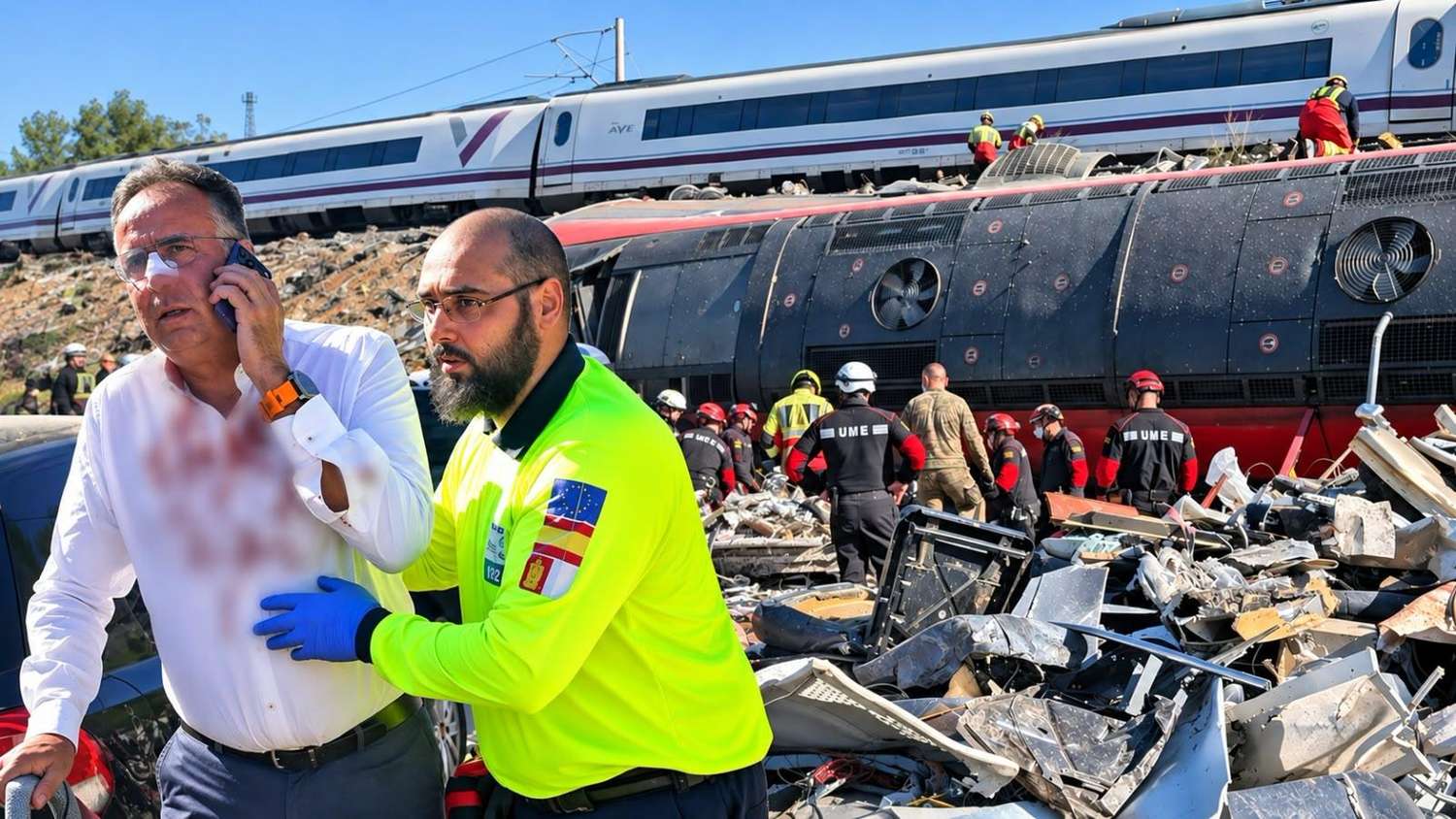
More than 100 people have reportedly been killed and over 200 injured after two high-speed passenger trains collided in the Urda area of Spain’s Toledo province.
According to the latest information released at 1:58 pm on Wednesday (28 October), the casualty figures were reported by the Civil Protection authorities of Castilla-La Mancha. Following the accident, high-speed rail services between Madrid and Andalusia were suspended in both directions. Rescue operations are continuing, but the exact cause of the collision has not yet been confirmed.
The incident has raised serious questions about how two trains operating under modern signalling and safety systems could collide on the same track.
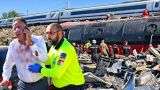
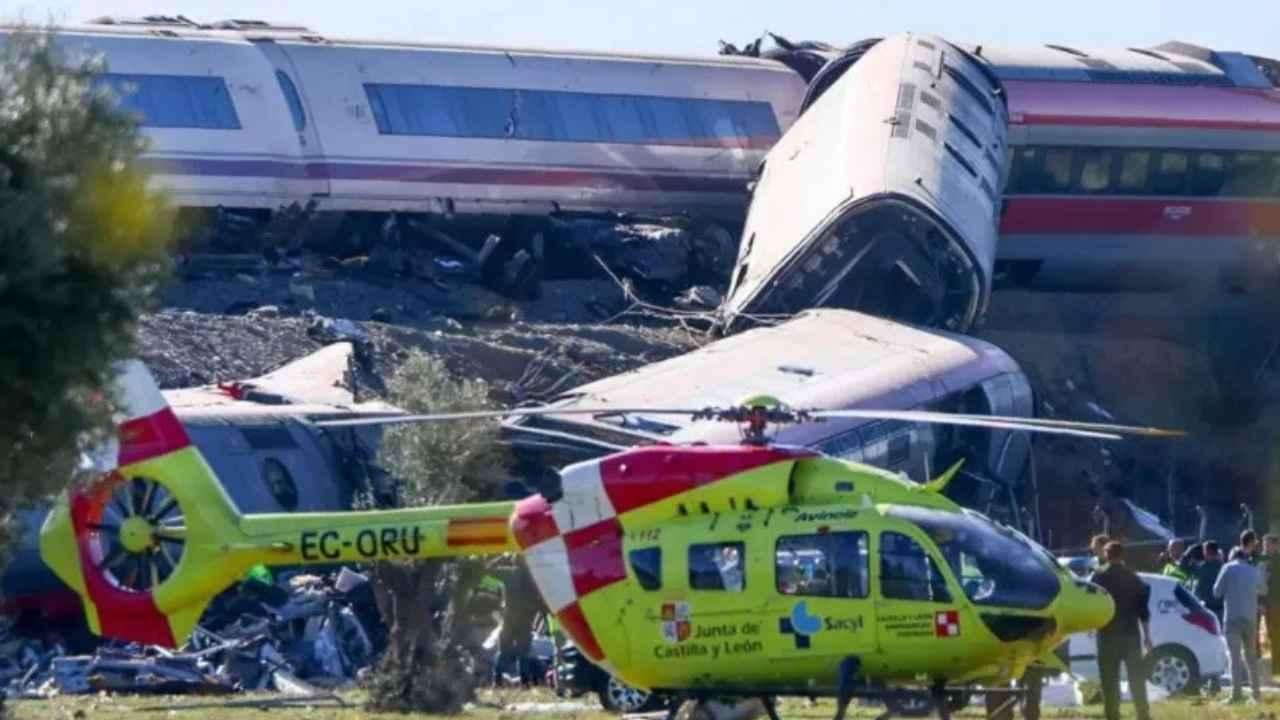
The accident occurred at 8:54 am on Wednesday. Renfe’s AVE 2080 train, which had departed Madrid’s Atocha station for Seville, collided with the Iryo 6076 train travelling ahead of it. According to preliminary information, the collision caused the two rear carriages of the Iryo train to derail. Several carriages were damaged, triggering panic among passengers.
The Renfe train was scheduled to travel to Seville. Meanwhile, the Iryo train was due to stop at Ciudad Real, Puertollano and Córdoba along its route. The positions of both trains at the time of the accident, the movement instructions they received and the moments leading up to the collision have become key areas of the investigation.
Initial reports put the death toll at 31, but subsequent updates increased the number of fatalities to at least 64. Eyewitnesses have since reported that more than 100 people may have died. More than 179 people have been injured, according to the Civil Protection authorities of Castilla-La Mancha.The casualty figures may change further as rescue operations continue.
Preliminary reports indicated that approximately 397 passengers were aboard the Renfe AVE train and around 147 were travelling on the Iryo train. This would bring the combined passenger total to approximately 544. However, the final passenger count, the confirmed numbers of fatalities and injuries, and the status of missing people must be verified through official statements from the authorities.
Firefighters, Civil Guard officers, civil protection personnel and emergency medical teams arrived at the scene shortly after the collision. Injured passengers were evacuated from the trains and transported to hospitals for urgent medical treatment. The regional government of Castilla-La Mancha activated its emergency response plan and began coordinating rescue and medical operations.
Regional government spokesperson Esther Padilla told Spanish television channel Antena 3 that injured passengers had been removed from the trains. Rescue workers would then begin the process of recovering the bodies of those who had died.
One of the biggest challenges facing the rescue teams is examining the damaged carriages to locate anyone trapped inside and identify the victims. Providing medical treatment to the injured and delivering reliable information to their families have also become urgent priorities.
The most important question surrounding the accident is how the train behind could collide with another train travelling ahead of it. Modern high-speed rail systems are equipped with signalling technology, train-position monitoring and automatic braking mechanisms. These systems are designed to warn a train when another train is ahead and, when necessary, prevent a collision.
According to reports in Spanish media, the railway signalling system and train traffic management operations are among the areas being investigated. Train movements are also monitored from Adif’s Atocha control centre. Investigators will therefore need to establish where both trains were before the collision, what instructions were issued and what signals reached the drivers.
However, no official conclusion has yet identified a signalling failure, human error or another technical problem as the confirmed cause of the accident. Blaming any single factor before the investigation is complete could be misleading.
Maintaining a safe distance between trains is essential on high-speed railway lines. Signalling systems generally alert drivers to the position of trains ahead. Depending on the circumstances, drivers may be instructed to reduce speed, or automatic systems may activate the brakes.
Several issues are likely to be central to the investigation. Authorities will need to determine whether the signalling system was functioning normally before the collision, whether both trains’ positions were being displayed accurately at the control centre, whether either train had been instructed to stop and whether the automatic braking systems were working effectively.
If a technical fault is discovered, investigators will need to establish its nature and determine whether alternative safety measures could have prevented the collision. If the signalling and braking systems were operating normally, attention will need to turn to the instructions given to the drivers and the circumstances surrounding the operation of both trains.
Following the accident, Adif suspended high-speed rail services in both directions between Madrid, Ciudad Real and Andalusia. The disruption has caused difficulties for passengers planning to travel along the affected route. No specific time has yet been announced for the resumption of normal train services.
Renfe said its staff were working to assist injured passengers and their families. Passenger safety and assessing the damage caused by the collision remain key priorities. Meanwhile, Iryo said it had activated the necessary emergency procedures and was coordinating its response with the relevant authorities.
A decision on resuming services will depend on inspections of the damaged railway infrastructure, the progress of rescue operations and confirmation that the line is safe to use. Passengers are therefore advised to check official announcements from Renfe and Iryo before travelling.
Spain’s high-speed railway system is one of the most important transport networks in Europe. High-speed trains have made travel between the country’s major cities easier and play a significant role in domestic transportation. However, a disaster of this scale has renewed questions about railway safety, infrastructure maintenance and the effectiveness of systems designed to control train movements during emergencies.
Following an accident of this nature, it is not enough to investigate only whether a driver made a mistake or a particular piece of equipment failed. A comprehensive assessment must also examine how the entire safety system operated, what information was available to the relevant staff and whether there was an opportunity to identify and prevent the potentially dangerous situation before the collision occurred.
Nevertheless, it would be inappropriate to hold any individual, organisation or technical system responsible before the investigation's findings are published. Identifying the actual cause of the accident and introducing measures to prevent similar incidents in the future are now the most important priorities.
No final conclusion has yet been announced regarding the cause of the collision. Investigations involving Adif, Renfe, Iryo and the relevant government authorities are expected to examine the trains’ positions, signalling systems, movement instructions and the circumstances surrounding the impact.
A clearer picture of the disaster will emerge as further information becomes available about the final casualty figures, the identities of those killed, the condition of injured passengers and the expected resumption of railway services.
Until then, following official announcements and updates from reliable news organisations remains the most reasonable course of action.


.jpg)