





.svg)
More than 2,000 flights to and from United Kingdom airports have been cancelled across two days of severe aviation gridlock following a catastrophic primary system outage at National Air Traffic Services. Transport Secretary Heidi Alexander summoned the air traffic provider’s chief executive, Martin Rolfe, to an emergency Whitehall meeting on Wednesday, granting the agency exactly one week to produce a definitive report into the operational failure. The government confirmed it retains confidence in the executive to deliver the findings, even as major airline operators demand immediate dismissals and passenger backlogs continue to paralyse Britain’s busiest transport hubs.
Cyber Attack Ruled Out as Cause Identified
National Air Traffic Services officially ruled out a malicious cyber attack or foreign breach as the underlying catalyst for the network-wide blackout. The breakdown stemmed instead from an internal technical fault within its automated flight plan processing software, which forced controllers to transition manually to heavily throttled backup arrangements. Industry representatives have identified the root issue as a corrupted or anomalous flight plan that overwhelmed data pipelines, drawing direct parallels to a similar technical failure that crippled the national network during the August bank holiday in 2023. While the air traffic operator rejected assertions that this incident repeats historical errors, the agency acknowledged that an exhaustive forensic audit is necessary to identify how corrupted data bypassed existing digital safeguards.
Recovery Timeline and Operational Normalisation
Aviation analytics firm Cirium confirmed that over 1,700 flights were cancelled or prevented from flying on Tuesday alone, representing more than thirty percent of all scheduled UK aircraft movements. A further 327 departures and arrivals were grounded by Wednesday afternoon, leaving at least 300,000 passengers affected across the country. Daily Dazzling Dawn understands that while the central software glitch has been resolved, returning operations to normal will take several days as carriers struggle with severely displaced aircraft and legally mandated flight crew resting hours. London Heathrow Airport bore the brunt of the disruption with nearly two hundred cancellations on Wednesday, while regional hubs including Manchester, Edinburgh, Gatwick, and Luton continued to clear stranded passenger queues. Major carriers warned travellers that rolling delays would likely extend towards the end of the working week.
Industry Leadership and Government Scrutiny
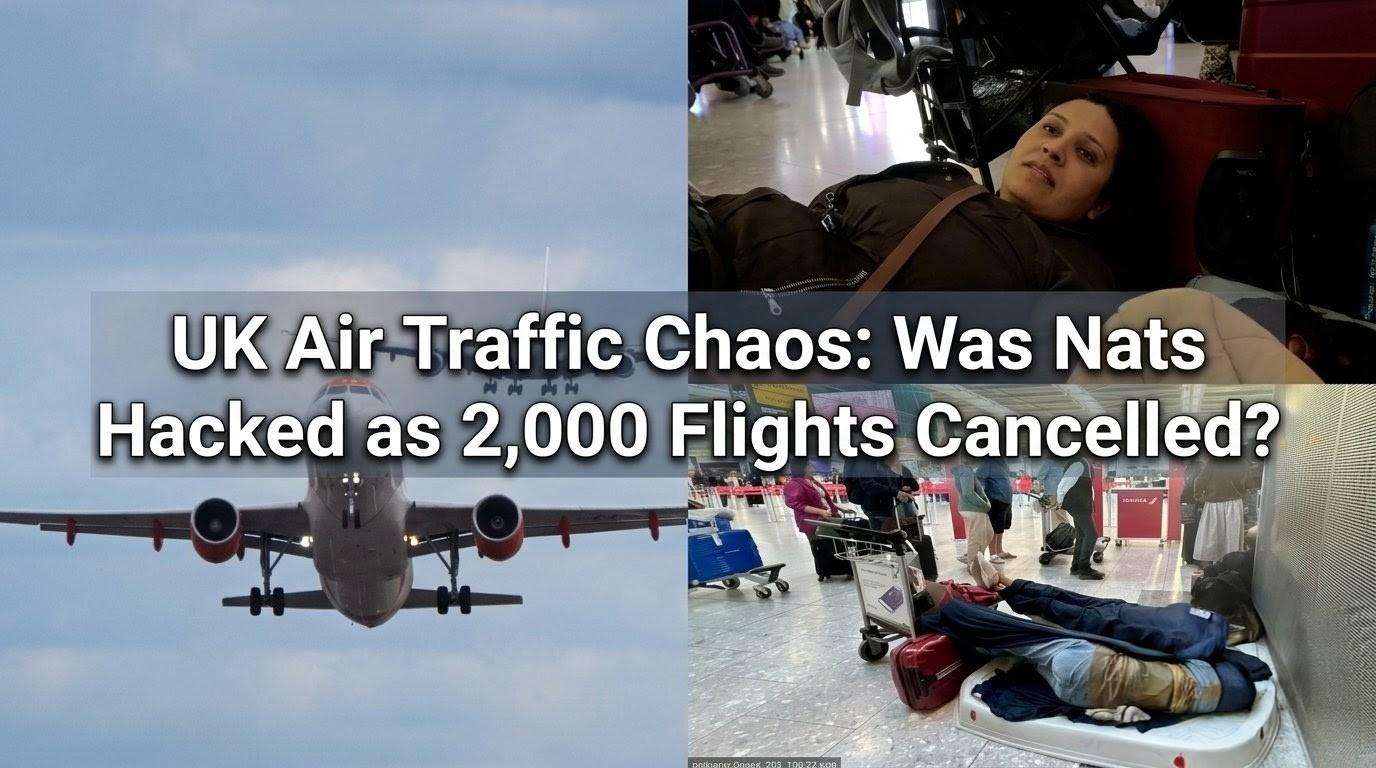
The crisis has sparked sharp fury across the commercial airline sector, leading to public demands for structural accountability. Ryanair chief executive Michael O'Leary called directly on the transport secretary to dismiss Rolfe, condemning the recurring IT failures as an untenable burden on passengers and carriers. British Airways was compelled to axe over 190 flights on Wednesday, leaving travellers sleeping on terminal floors amid overcrowded conditions and failing customer communication channels. Downing Street confirmed that the government’s forthcoming Civil Aviation Bill will introduce statutory measures to guarantee stronger compensation rights for consumers affected by operational cancellations. With Whitehall’s seven-day inquiry clock now ticking, Nats leadership faces intense pressure to demonstrate that Britain’s airspace infrastructure can withstand isolated data failures without triggering nationwide economic fallout.