






.svg)
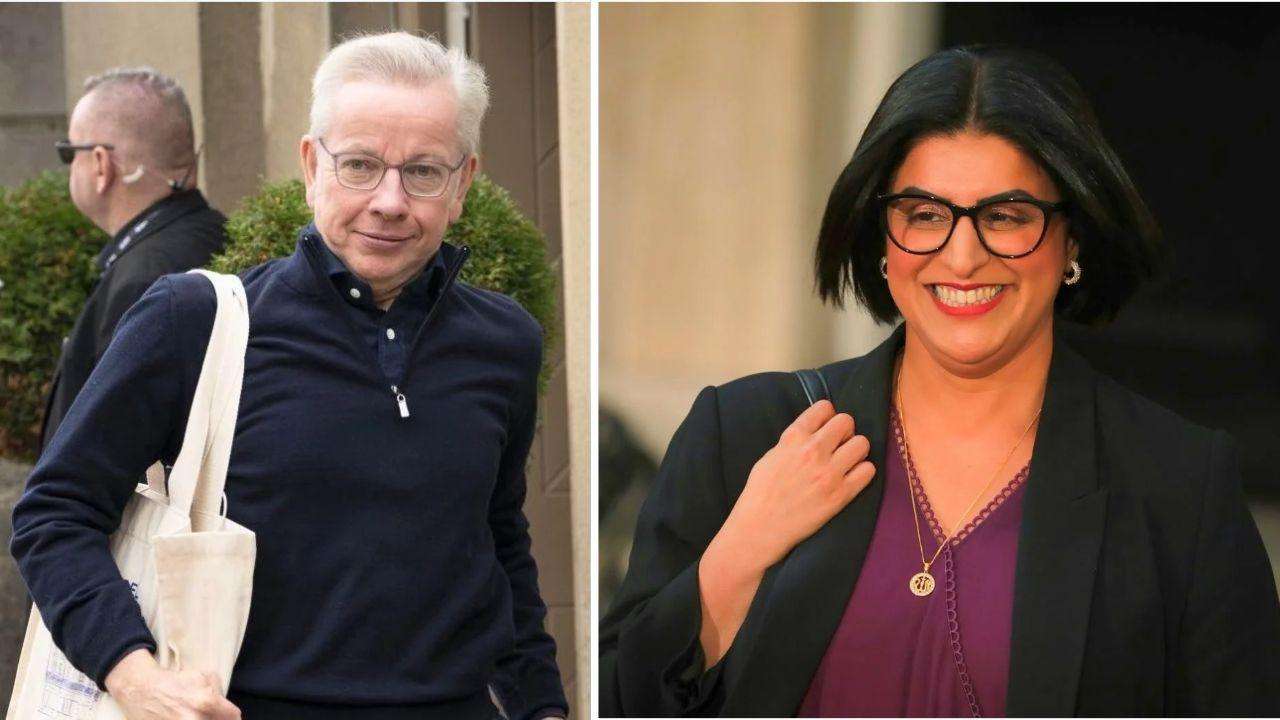
Home Secretary Shabana Mahmood is set to announce the reopening of the UK’s resettlement scheme, creating a new legal route for some of the world’s most vulnerable refugees, including Afghan women and girls and Palestinians with serious medical needs. The announcement is expected at the Labour Party conference on Monday, 28 September, as the government seeks to expand safe and legal routes while introducing tighter controls on the wider asylum system.
The reopened route is expected to offer eligible refugees a faster path towards permanent settlement, subject to strict security and criminality checks. The Home Office says numbers will initially be limited and capped, with refugees identified through organisations including the United Nations High Commissioner for Refugees (UNHCR).
The scheme is expected to focus on people facing particularly serious protection risks, including vulnerable women and girls from Afghanistan, Palestinians with critical medical needs, people with disabilities and victims of torture.
The UK Resettlement Scheme has continued to operate in a limited form, but new referrals were reportedly stopped in December 2024. The government now intends to reopen the route, with initial numbers expected to be in the hundreds before potentially increasing to the low thousands, depending on migration levels and the capacity of communities to support new arrivals.
The policy comes against the backdrop of wider changes to refugee protection introduced by the Home Office in March 2026. Under those changes, people who claim asylum from 2 March 2026 receive temporary refugee protection subject to review every 30 months rather than an automatic permanent route.
Refugees arriving through the resettlement route would therefore be placed on a different settlement pathway from many people who seek protection after reaching Britain through irregular routes.
The Home Office says people selected through safe and legal routes will undergo background, security and criminality checks before travelling to the UK.
The government has previously said that new legal routes are intended to provide protection for people fleeing conflict and persecution while maintaining greater control over the number of people entering the country. Official plans announced in June also included community sponsorship and a future refugee work route.
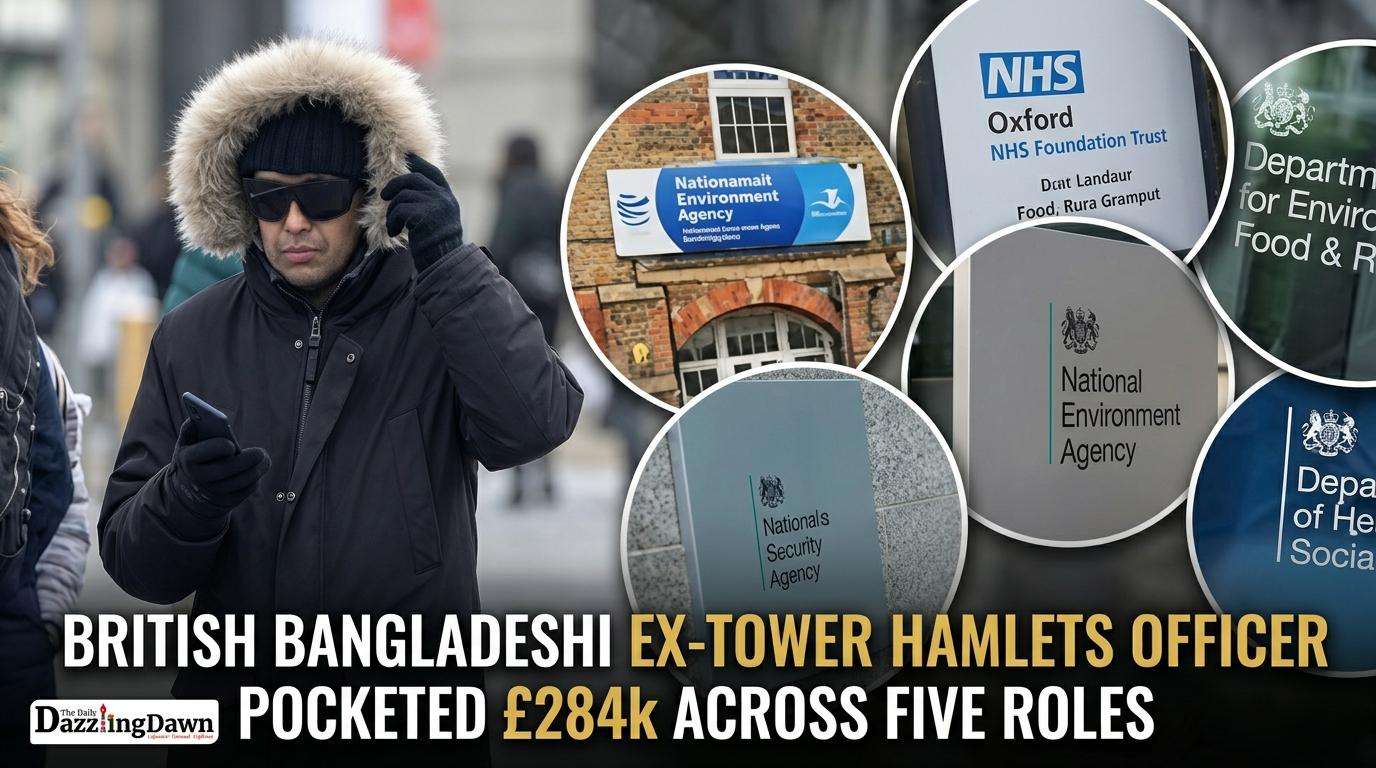
British Bangladeshi Ex-Tower Hamlets Officer Pocketed £284k Across Five Roles, Southwark Hears
Daily Dazzling Dawn understands that the government intends to work with approved organisations and international refugee agencies to identify people eligible for resettlement rather than creating an unrestricted application route.
Family units will be able to travel together in qualifying cases, although the arrangements will not provide a general route for extended-family reunification.
Alongside the resettlement announcement, the government is preparing to expand opportunities for communities and organisations to sponsor refugees.
From October, approved charities and non-profit organisations are expected to be able to apply to become sponsors, with universities also able to participate in the developing safe and legal routes. Sponsors will have responsibilities including accommodation, integration support and assistance with employment.
A separate refugee work route is expected to open in 2027, allowing employers to sponsor eligible refugees. The government says the wider programme will eventually operate at a significantly greater capacity than existing community sponsorship arrangements.
The approach has been influenced partly by Canada's community sponsorship model, under which private groups help refugees establish themselves in their new communities.
The new measures form part of a broader immigration strategy being pursued by Mahmood. The government has argued that safe and legal routes must operate alongside stronger controls on irregular migration and reforms to the asylum system.
In March, the Home Office announced that refugee protection would become temporary for new adult asylum claimants, with reviews every 30 months. The government said people whose home countries become safe could ultimately be expected to return.
The government has also announced reforms involving human rights protections and the Modern Slavery Act, saying the changes are intended to prevent abuse while maintaining protection for people with genuine claims.
Mahmood is expected to argue that combining tighter controls with carefully managed humanitarian routes can maintain public support for refugee protection.
The plans are likely to face criticism from different sides of the political debate.
Some refugee organisations and migration experts have questioned whether a scheme operating at only hundreds or a few thousand places could have a significant effect on irregular Channel crossings. The Refugee Council has argued that safe routes need to operate at substantial scale if they are to provide a meaningful alternative to dangerous journeys.
Others have raised questions about the financial implications of supporting particularly vulnerable refugees and the effectiveness of security procedures. The government has maintained that applicants will undergo rigorous checks before admission.
The Conservative Party and Reform UK have also criticised the government's approach, while the Liberal Democrats have described the creation of additional safe and legal routes as a positive development while calling for further action on Channel crossings, according to reports.
The precise annual cap, eligibility rules and operational arrangements will determine how many refugees can ultimately benefit.
The Home Office's existing guidance confirms that the UK Resettlement Scheme is intended to provide a safe and legal route for vulnerable refugees in need of international protection, with local authorities and community sponsors involved in supporting arrivals.

.jpeg)