






.svg)
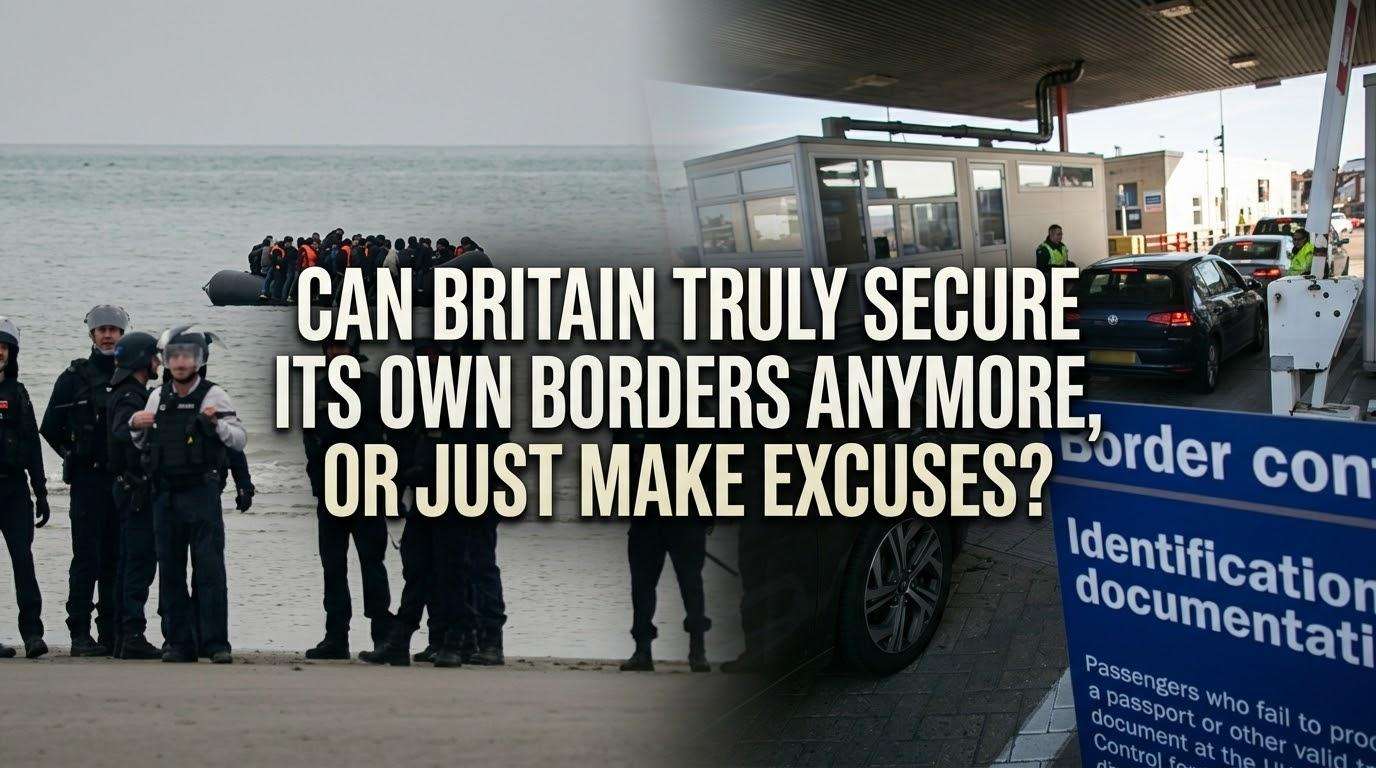
The British Government has formally dismissed an escalating public petition demanding a full-scale statutory inquiry into illegal migration, border security vulnerabilities, and ballooning taxpayer expenditure, Daily Dazzling Dawn can reveal. The parliamentary petition, launched by Simon Worley, rapidly amassed over 80,000 verified signatures from across the country before the Home Office officially ruled out an independent investigation. Officials insisted that existing statutory watchdogs and select committees provide sufficient oversight, triggering fierce national debate over whether ministerial explanations represent genuine institutional control or a procedural cover to mask chronic enforcement failure.
The nationwide petition called on ministers to launch an unsparing judicial inquiry into the operational effectiveness of Border Force, the long-term strain on domestic services, and the administrative deadlock stalling expulsions. Campaigners emphasised that years of porous frontiers have severely tested local infrastructure, leaving residents feeling increasingly unsafe on British streets while public funds subsidise continuous emergency accommodation.
Cumulative Home Office records show that small boat arrivals across the English Channel have breached the 213,000 milestone since 2018, demonstrating how successive administrations have failed to halt the traffic. Independent fiscal evaluations, including detailed studies by think tanks such as Policy Exchange, estimate that the cumulative economic cost of the Channel crisis has exceeded £24 billion over seven years. Although the Home Office maintained that asylum support costs dropped by £1 billion over the past parliamentary cycle alongside an exit from over 240 hotels, dozens of taxpayer-funded facilities remain operational across the country, sustaining public indignation.
While maritime crossings dominate public attention, official migration data confirms that Britain's illegal immigration crisis stems significantly from lawful routes turning unlawful. Thousands of foreign nationals enter sovereign British territory entirely legitimately on approved documentation before dissolving into the cash-in-hand informal economy once their leave expires.
Official data compiled by the Migration Observatory at the University of Oxford demonstrates that nearly 39% of asylum applicants previously entered the UK via standard legal routes—including student visas, skilled worker permits, visitor visas, or family dependants—before claiming international protection at the point of expiry. The exploitation of graduate post-study provisions, unaccredited vocational programmes, and deliberate visa overstaying has effectively turned Britain's regular immigration system into a primary pipeline for irregular residency, overwhelming enforcement agencies.
Compounding border security failures is the widespread abuse of domestic and international human rights frameworks. Caseworkers within the asylum machinery have repeatedly documented instances where claimants submit fabricated narratives, ranging from unverified political persecution claims to sudden assertions of sexuality or religious conversion.
Because international asylum conventions impose a stringent standard of proof on the receiving state, applicants frequently destroy passports and identifying papers before reaching Dover, rendering nationality verification exceptionally difficult. Specialised legal representatives frequently deploy Article 8 right to family life and Article 3 protections against inhumane treatment under the European Convention on Human Rights, entangling domestic courts in rolling appeals for years at public expense. Consequently, the deportation rate for individuals arriving unlawfully via small boats remains constrained below five percent, turning deportation notices into paper threats rather than operational reality.
Frustrations regarding border management deepened following the termination of key cross-Channel deterrence initiatives. Daily Dazzling Dawn understands that the pilot "one-in, one-out" returns framework with France was abruptly cancelled after French authorities withdrew from bilateral processing, demanding an extensive European Union-wide agreement instead.
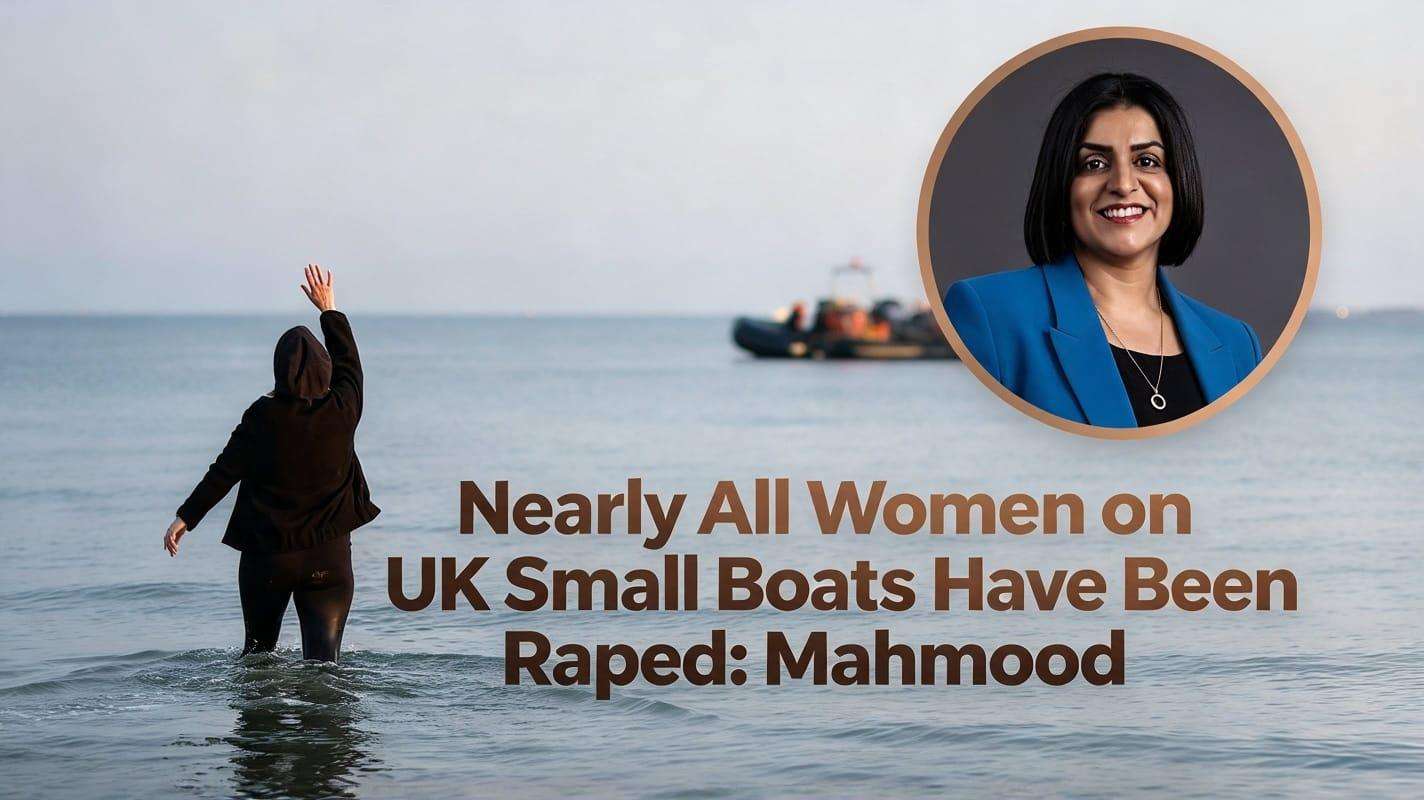
Home Secretary Shabana Mahmood told party delegates that small boat arrivals dropped this summer and that law enforcement disrupted over 48,000 attempted sea crossings. Home Office spokespersons also stressed to journalists that over 78,000 foreign nationals without legal leave have been expelled since sweeping reforms began. Yet with the petition steadily approaching the 100,000-signature milestone required for parliamentary debate, public sentiment remains unconvinced. As Whitehall continues to lean on procedural explanations, the question persists whether an advanced world power lacks the logistical capability to seal its borders, or merely the sovereign resolve to do so.




.jpg)