






.svg)
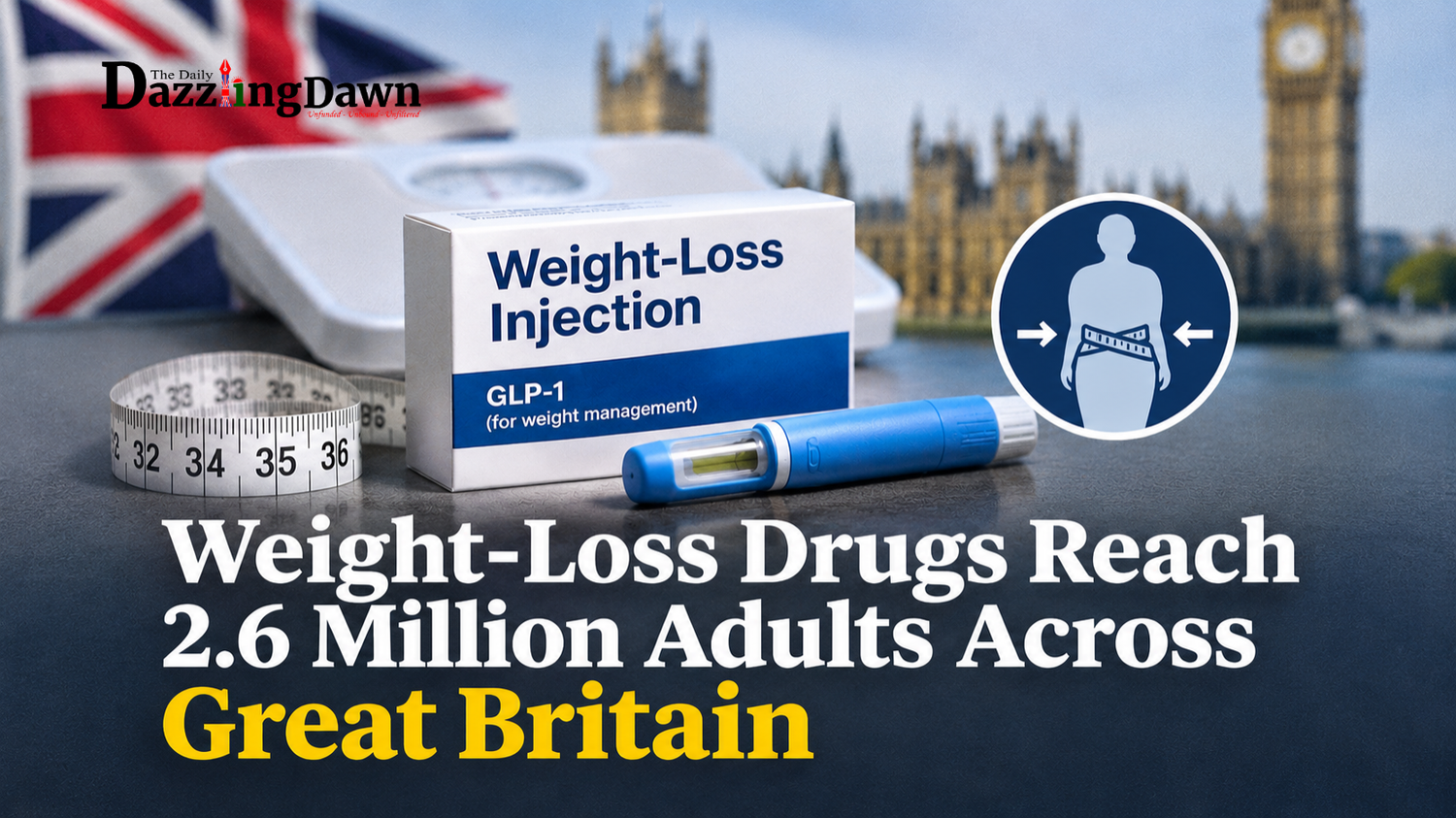
Weight-loss medications are now being used by approximately 2.6 million adults across Great Britain, with new research revealing that 8.5% of households had at least one person taking the drugs in August 2026. The findings, published on 19 November, show rapidly increasing demand for treatments such as Wegovy and Mounjaro, alongside a significant shift in supermarket spending, with affected households spending an estimated £1 billion less on groceries than expected.
Research by consumer intelligence company Worldpanel by Numerator indicates that the proportion of households with at least one user of GLP-1 weight-loss medication increased from 6.3% in February to 8.5% in August. The findings suggest that the growing popularity of these treatments is beginning to influence not only personal health choices but also Britain's wider retail and food markets.
The introduction of tablet-based treatments has contributed to the rapid expansion of the market. Previously, patients primarily relied on injectable medication, but the availability of oral alternatives has created another option for people seeking medical weight-management treatment.
Wegovy tablets received regulatory approval in the UK in June 2026, with the once-daily version subsequently becoming available through British pharmacies in July.
According to Worldpanel, tablets accounted for 11.2% of people using GLP-1 medication by August. Their availability offers an alternative to injections, although treatment suitability and prescribing decisions remain matters for healthcare professionals.
Men are also accounting for a growing share of users. Their proportion increased from 23% in February to 32% in August. The number of male users almost doubled over the same period, rising from approximately 440,000 to 830,000.
Nishita Pattni, senior consultant at Worldpanel by Numerator, said user numbers had increased almost as much during the six months between February and August as they had throughout the previous year. She also highlighted the appeal of daily tablets as a potentially more convenient option for some patients.
The growing use of GLP-1 medication is having measurable consequences for Britain's grocery sector.
Worldpanel's research, based on purchasing data from 9,629 households, found that households containing someone using the medication spent approximately £1 billion less on groceries than expected during the year after treatment began, compared with similar households.
The estimated reduction represents approximately 415 million fewer items purchased. On an individual household basis, the research calculated that around £389 in annual grocery spending had been displaced.
The latest estimate marks an increase from the £780 million reduction reported by Worldpanel in June 2026, suggesting that the commercial effects of these medications have continued to expand.
The findings are particularly significant for supermarkets and food manufacturers, which traditionally rely on established patterns of household food consumption. Reduced appetite and changing purchasing preferences could require retailers to reconsider product sizes, promotional strategies and the types of food they offer.
The research also identifies differences in the categories of products purchased by households with GLP-1 users.
Spending on alcohol was 15% lower among these households than among comparable households without a user. Spending on crisps also recorded a similar decline, reflecting changes in snacking and consumption patterns.
However, the shift has not affected every category equally.
Frozen ready-meal sales volumes increased by 30% among households with GLP-1 users. Portion-controlled products appear to be attracting greater interest, while purchases of hot chocolate and malt-based drinks have also increased.
These findings indicate that consumers are not simply reducing their overall food purchases. They are also changing the types and quantities of products entering their shopping baskets.
For food manufacturers, this could create opportunities to develop smaller portions and products that meet changing consumer preferences.
Chantel Kennaugh, head of public sector and nutrition at Worldpanel by Numerator, said the research suggested GLP-1 medication use could exceed 10% of households in Great Britain during 2027.
She said the scale of the change would require retailers and manufacturers to reconsider their commercial strategies.
The implications extend beyond supermarket sales. If the number of people using these medications continues to increase, food producers, restaurant operators and consumer brands may need to adapt to changing demand for portion sizes, snacks and convenience foods.
Daily Dazzling Dawn reports that the latest figures highlight an emerging connection between prescription weight-management treatments and consumer spending patterns. However, the estimated reduction in grocery expenditure should be understood as a comparison with expected spending among similar households, rather than a direct measurement of money saved by every individual patient.
The research does not establish that every user experiences the same changes in appetite or purchasing behaviour. Individual responses to medication vary, and the figures reflect household-level purchasing patterns.
Nevertheless, with approximately 2.6 million adults already using these treatments, the expansion of GLP-1 medication is becoming an increasingly important factor for Britain's healthcare and retail sectors.
Source: Worldpanel by Numerator research, reported by The Guardian and Reuters, 19 November 2026.



.jpg)
.jpg)
.jpg)
_1.jpg)