






.svg)
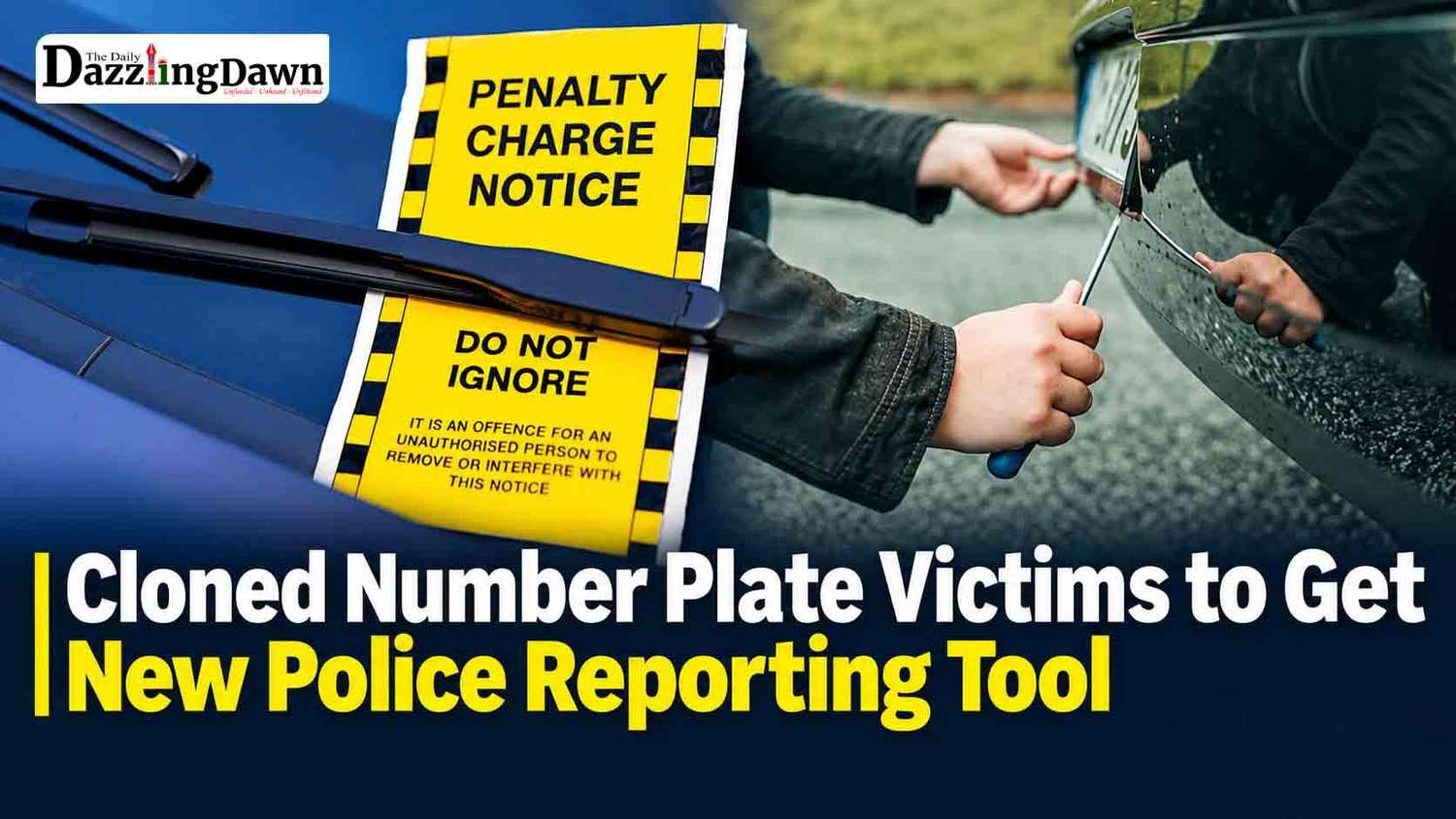
Motorists in England and Wales who fall victim to vehicle number plate cloning will be able to report the crime directly to police through a new online reporting tool, as the government introduces measures to help drivers challenge fraudulent penalties and tackle the growing misuse of illegal registration plates. The system, launched in November 2026, will also notify the Driver and Vehicle Licensing Agency (DVLA), simplifying the process for motorists who receive fines for offences committed by vehicles carrying duplicated registration numbers.
The initiative follows a rise in complaints from drivers who have received penalty notices for journeys and driving offences they say they never committed. The government has also published new guidance to help motorists avoid purchasing illegal number plates and protect themselves when buying second-hand vehicles.
Under the new arrangements, motorists in England and Wales can report suspected number plate cloning directly to police online. The police will then share the relevant information with the DVLA, helping authorities establish a record of the suspected fraudulent registration.
The government has also introduced a dedicated section on its official website explaining how drivers can challenge parking penalties, road traffic fines and other charges issued incorrectly because of cloned number plates.
Previously, victims often faced lengthy administrative procedures involving multiple authorities while attempting to demonstrate that their vehicles were not responsible for the offences recorded against their registration numbers.
The new reporting system is intended to make that process more straightforward by creating a direct route for reporting suspected cloning and notifying the relevant licensing authority.
The difficulties faced by victims are illustrated by the experience of Sandra Yarwood, whose black Volkswagen Golf became the target of number plate cloning while she was on holiday in Canada.
Although her vehicle remained parked outside her London home, another car carrying a fraudulent copy of her registration number was driven across five London boroughs.
Over just six days, the cloned vehicle generated 32 penalty notices totalling £2,560.
Yarwood accumulated a file of paperwork approximately two inches thick while attempting to resolve the situation and challenge the fines.
Despite providing information showing that she had been outside the country when the offences took place, she said the process of contesting the penalties was exceptionally difficult.
“I never paid any of them … but the difficulty contesting them is gobsmacking,” she said. “You have to prove your innocence and the fact that I was not in the country was not enough.”
Her experience highlights the administrative burden placed on motorists who become victims of registration fraud, particularly when several enforcement authorities issue separate penalties for offences committed by another vehicle.
Yarwood also revealed that her husband was stopped by police while driving their Volkswagen after the cloned registration had been reported. She described the encounter as uneventful, although the possibility of further confusion remained a concern.
She has been advised that changing the vehicle's registration could be necessary if the problem happens again, a process she would prefer to avoid.
The introduction of the reporting tool comes amid growing concerns about the scale of number plate cloning across Britain.
According to figures reported by The Guardian, approximately 11,400 drivers contacted the DVLA in 2025 after receiving penalties for offences they said they had not committed or did not recognise. Most of the complaints are believed to have been connected to vehicle registration cloning.
The figure represented a 9% increase compared with 2024 and was almost double the number recorded in 2018.
Criminals use duplicated registration plates to disguise vehicles involved in illegal or dangerous driving, avoid enforcement cameras and evade penalties. By displaying the registration number of an otherwise legitimate vehicle, offenders can leave innocent motorists facing fines and investigations.
The consequences can extend beyond financial penalties. Victims may have to spend considerable time contacting local authorities, supplying evidence and challenging enforcement decisions to establish that their vehicles were not involved
The government has also issued consumer guidance after police operations revealed that some motorists were unknowingly driving vehicles fitted with illegal number plates.
According to early police findings, approximately one-third of motorists stopped during number plate enforcement operations this year were unaware that their plates did not comply with legal requirements.
Authorities believe that some drivers may have been supplied with incorrectly manufactured or non-compliant plates when purchasing replacements.
The problem is not limited to deliberate criminal activity. Stolen second-hand vehicles can also be fitted with cloned registration numbers, making it harder for authorities to identify their original identity and ownership.
Motorists buying used vehicles are therefore being encouraged to check that the registration number matches the vehicle information held by the DVLA. Buyers should also verify the vehicle's identifying details and use reputable sellers when purchasing replacement number plates.
Official guidance is available through the government's used car buying advice and its dedicated number plate cloning reporting service.
Roads Minister Justin Madders said illegal number plates were being used by criminals, but acknowledged that innocent motorists could also unknowingly have non-compliant plates fitted to their vehicles.
He said the government wanted to make reporting cloned registrations easier while providing practical advice for people buying number plates and second-hand cars.
“We are going to make it easier for victims of cloned plates to report them as well as [launching] webpages to help drivers when they buy number plates and used cars from reputable sellers,” Madders said.
He added that these everyday government measures could help motorists avoid unnecessary attention from police.
The new arrangements represent an attempt to address both sides of the problem: deliberate vehicle registration fraud and the accidental purchase of illegal number plates.
For motorists who receive unexpected penalties, the ability to report suspected cloning through a single online route could reduce the time and effort involved in notifying the authorities.
However, Yarwood's experience demonstrates that resolving a case can still involve considerable paperwork and uncertainty. The effectiveness of the new system will ultimately depend on how quickly reports are processed, how information is shared between enforcement authorities and how easily innocent drivers can have incorrectly issued penalties withdrawn.