


.svg)
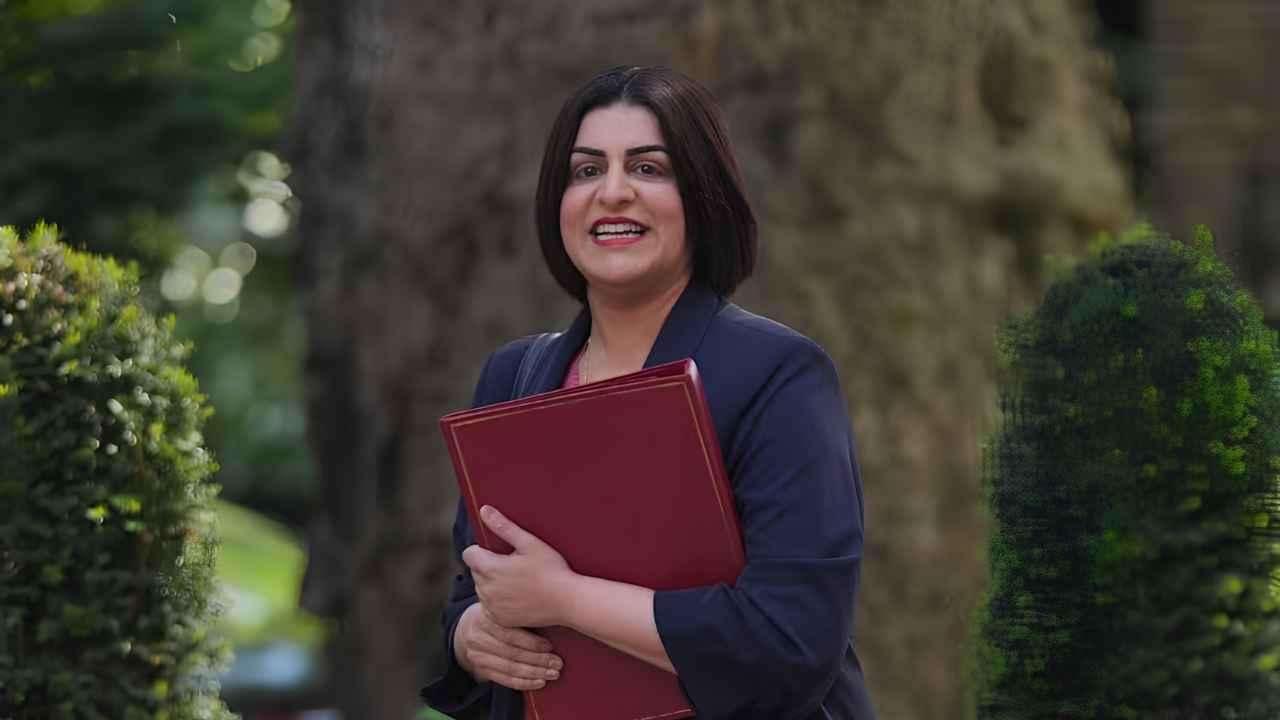
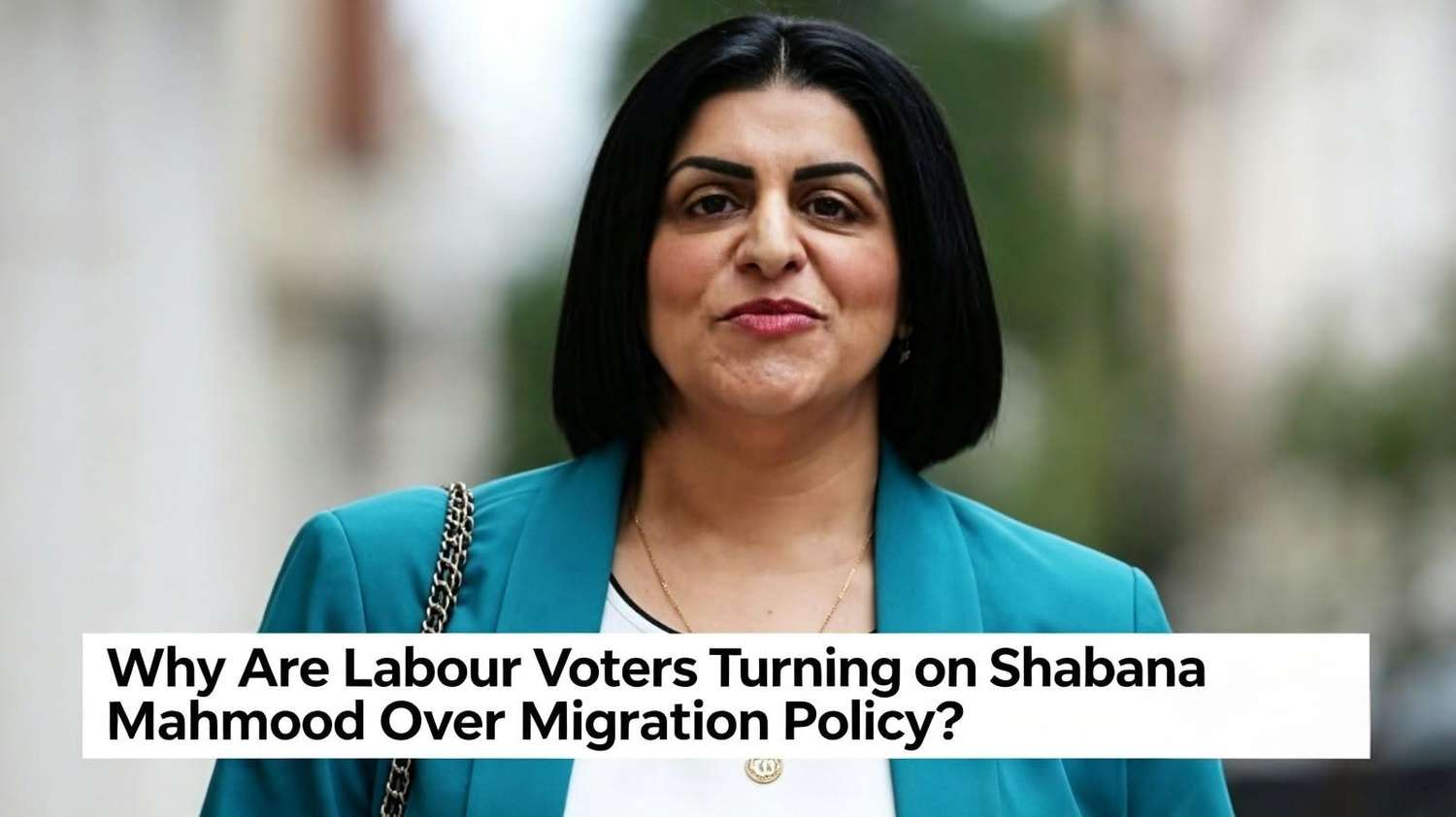
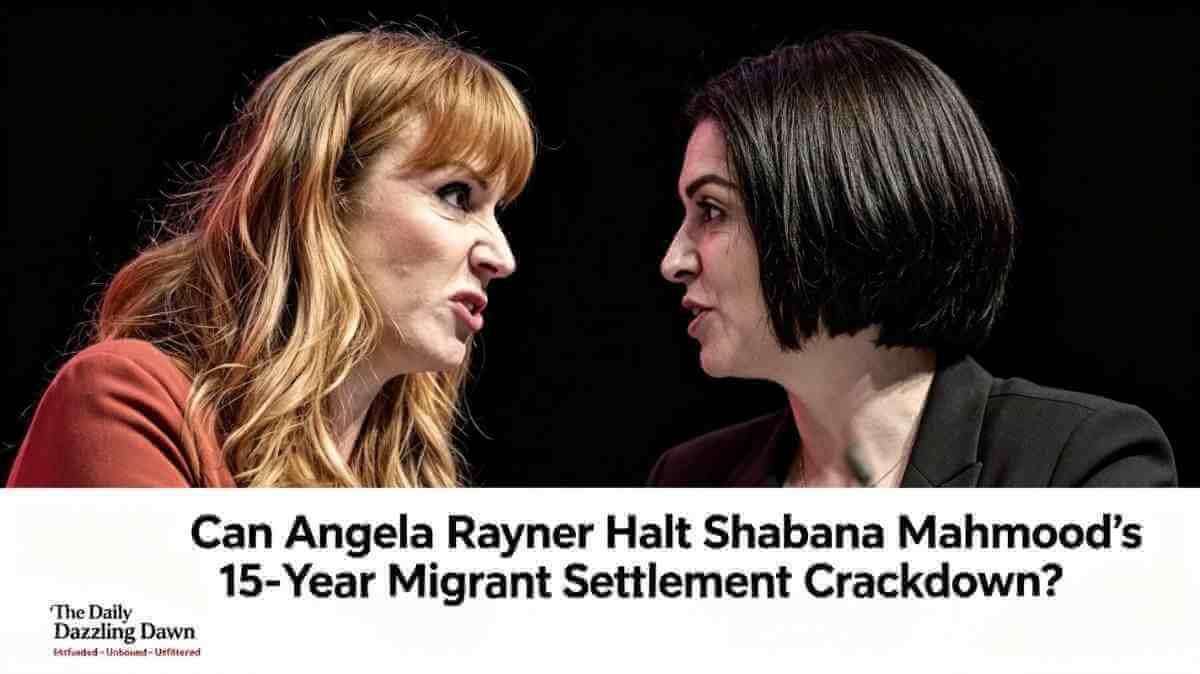
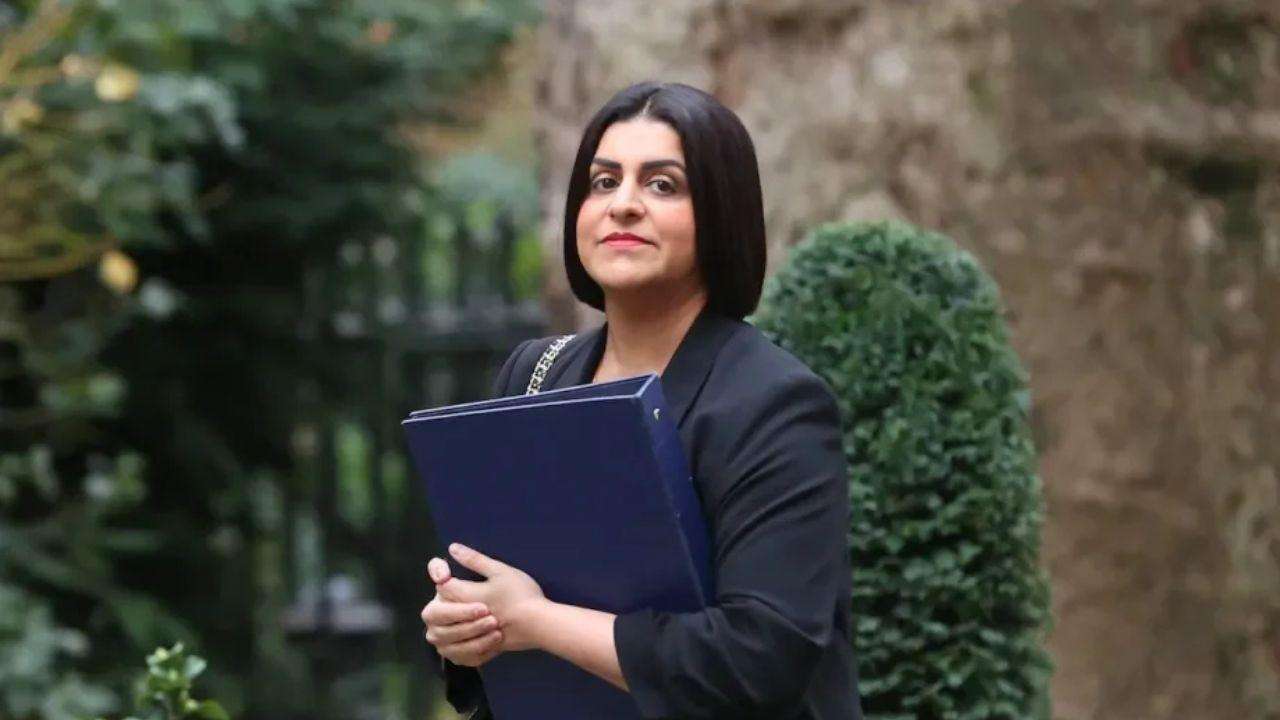
The UK has reopened its UK Resettlement Scheme (UKRS) to new referrals, Home Secretary Shabana Mahmood announced on Monday 28 September 2026, as the government seeks to expand controlled legal routes for refugees while reducing irregular Channel crossings.
The Home Office said around a quarter of those referred through the reopened scheme are expected to be Afghan women and girls and Palestinian refugees. The government has also announced new sponsorship routes involving communities, universities and businesses, with the wider programme intended to provide a controlled alternative for people fleeing conflict and persecution.
Mahmood said the UK has a responsibility to provide protection to people escaping war and persecution but argued that refugee resettlement must remain limited and managed.
Speaking at the Labour Party conference, she said the system should be "capped and controlled", while communities must be prepared and able to welcome people arriving through the legal routes.
The Home Secretary has presented the policy as part of a broader approach that combines legal routes for refugees with measures intended to reduce irregular migration. The government says creating controlled pathways can help undermine the business model of people smugglers while allowing the UK to meet its humanitarian commitments.
The UKRS stopped accepting new referrals in December 2024 and is now being reopened. The Home Office expects hundreds of refugees to arrive initially, with numbers potentially increasing into the low thousands as irregular migration levels fall.
An annual cap will apply to the scheme, although the government has not yet announced the precise number of places available for each year.
Those arriving through the safe and legal routes will be placed on a five-year pathway towards permanent settlement under the government's current plans.
The UK has operated several humanitarian resettlement programmes over recent years, including routes established for people affected by the conflict in Afghanistan, the war in Ukraine and circumstances involving British National (Overseas) passport holders from Hong Kong.
The Home Office expects Afghan women and girls and Palestinians to make up a significant proportion of referrals under the reopened UKRS.
The government has previously described safe and legal routes as an important part of its wider refugee policy. In June 2026, the Home Office announced plans for community sponsorship, university sponsorship and employment-related routes for refugees. The community model is intended to allow participating organisations to take responsibility for accommodation, integration and support.
The UK has also continued to provide financial support to local authorities and healthcare providers involved in refugee resettlement programmes. Official guidance for 2026-27 states that the UKRS provides a safe and legal route for vulnerable refugees requiring protection.
The decision has drawn criticism from opposition politicians.
Conservative shadow home secretary Chris Philp criticised the reopening of the scheme and argued that the government should focus on reducing irregular migration before increasing refugee resettlement.
Reform UK leader Nigel Farage also criticised the announcement, arguing that the UK is not obliged to accept additional migrants and questioning the government's approach to immigration.
These comments represent political opposition to the government's policy; the government maintains that controlled resettlement routes form part of a wider effort to restore order to the asylum system while providing protection to people who qualify.
Refugee organisations have broadly welcomed the reopening while calling for a larger number of places.
The Refugee Council has argued that safe and legal routes can help reduce reliance on people smugglers but said their effectiveness depends on operating at sufficient scale.
The International Rescue Committee UK has also welcomed the priority being given to Afghan women and girls and Palestinians, describing the UKRS as an established route through which vulnerable refugees can rebuild their lives in Britain.
Advocates have also called for the government to restore refugee family reunion arrangements, which were paused in 2025.
The announcement comes against the backdrop of continued small boat crossings in the English Channel.
The government has linked its immigration reforms to efforts to reduce irregular migration and increase control over Britain's borders. The reopening of legal refugee routes is therefore being presented alongside tougher measures aimed at people smugglers and those who have no legal right to remain in the UK.
Daily Dazzling Dawn understands that the government's challenge will be balancing the number of people offered resettlement with its stated objective of maintaining a controlled immigration system.
The Home Office has yet to publish the final annual cap for the reopened UKRS. Further details are expected as the new sponsorship routes are developed and the first referrals progress.
The reopening marks a significant change from the previous reduction in available humanitarian resettlement routes. The government is now seeking to combine established refugee resettlement with community, university and employment-based sponsorship.
The Home Office says the approach is designed to provide protection for vulnerable people while ensuring that Britain's refugee system remains controlled and sustainable.
The first stages of the reopened programme will show how many refugees are ultimately resettled and whether the new legal pathways operate at the scale envisaged by ministers and refugee organisations.