


.svg)
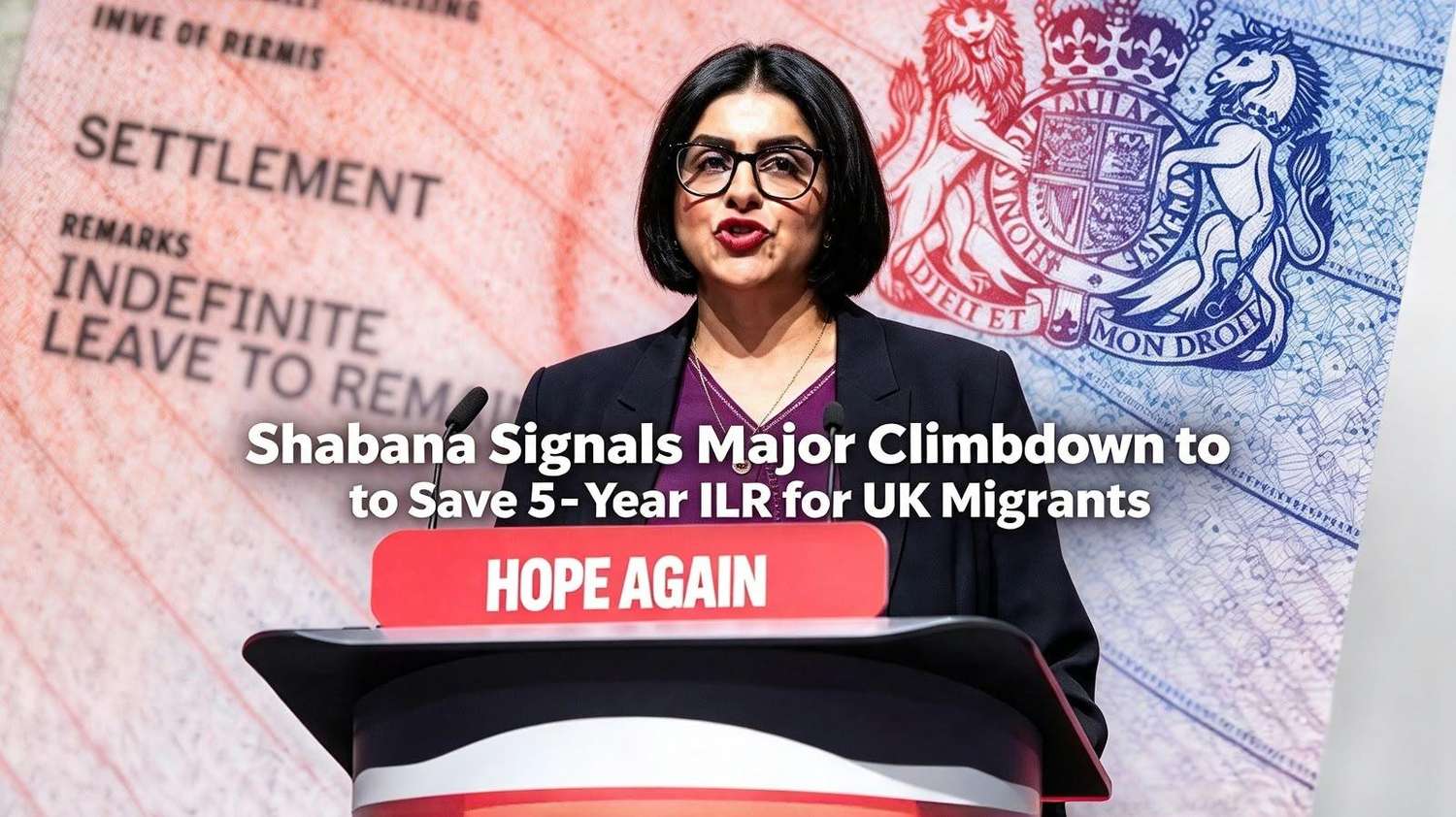
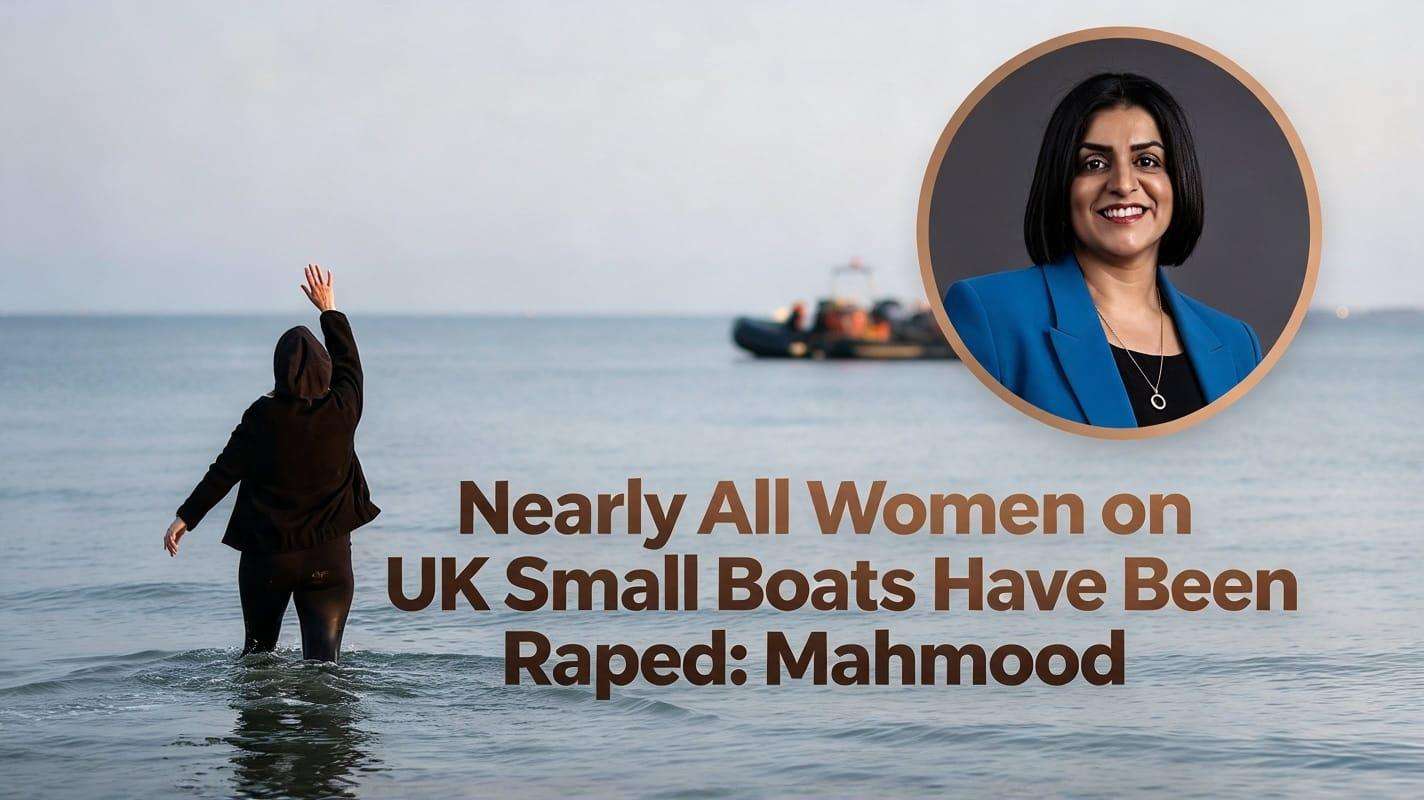
Nearly all women who attempt to reach the United Kingdom aboard small boats across the English Channel have suffered rape during their transit through northern France, the Home Secretary, Shabana Mahmood, disclosed in an extensive broadcast interview on Sunday. Speaking during an appearance on The Rest Is Politics podcast, the Cabinet minister warned that ruthless people-trafficking gangs currently hold absolute leverage over maritime irregular migration, dictating precisely who undertakes the perilous crossing to British shores while subjecting vulnerable individuals to systemic exploitation.
The stark assessment from the Home Office comes against a background of acute pressure on cross-Channel diplomacy, border enforcement, and Whitehall’s broader asylum processing mechanisms. Daily Dazzling Dawn understands that ministerial colleagues view these disclosures as evidence that organised criminal syndicates continue to profit from human suffering, exploiting legal ambiguities and the absence of fully regularised alternatives to extract illicit revenues from migrants transiting mainland Europe.
Women and young girls travelling through northern France towards maritime departure points such as Dunkirk, Calais, and Grand-Synthe remain exposed to severe criminal predation. French humanitarian observers and British non-governmental organisations have repeatedly documented how criminal networks requisition funds, labour, and physical control from migrants residing in informal encampments along the French coastline.
Daily Dazzling Dawn learned that senior policing figures and intelligence agencies coordinating with the National Crime Agency identify criminal logistics rings as operating with near-total disregard for personal safety. Testimonies collected by front-line responders suggest that sexual violence is deployed systematically by handlers to intimidate passengers, enforce financial debts, and ensure compliance before dinghies are launched into busy maritime shipping lanes.
Beyond the grim details of the Channel routes, the Home Secretary also addressed the vitriolic climate surrounding immigration discourse within the United Kingdom. Shabana Mahmood told journalists that extreme elements within the domestic political spectrum pose tangible dangers to democratic representatives, stating specifically that far-right, balaclava-wearing agitators would kill her or force her out of the country if they ever assumed state authority.
The remarks reflect deepening institutional unease across Westminster regarding public order, political polarisation, and personal security for high-profile ministers. As the government attempts to craft workable immigration policies amidst sustained cross-Channel small boat arrivals, elected officials face heightened public hostility from fringe activist groups seeking to disrupt regional communities and processing facilities.
The Home Secretary's remarks arrive as bilateral arrangements between London and Paris face severe diplomatic friction. Observers note that discussions surrounding a reciprocal one-in, one-out removal arrangement have strained diplomatic channels, leaving border security teams on both sides of the Channel operating under acute logistical strain. The impending expiration of mutual administrative agreements has heightened concerns within the Home Office regarding operational capacity and coastal policing coordination.
Recent tragedies in Channel waters continue to expose the physical hazards confronting passengers aboard overloaded dinghies. British coastguard units, the Royal National Lifeboat Institution, and French maritime authorities have responded to several high-profile emergencies off the coast, including incidents that resulted in multiple fatalities amongst adult travellers and young children. Daily Dazzling Dawn understands that policy advisers are reviewing targeted resettlement avenues, particularly for vulnerable female refugees, while simultaneously defending current domestic visa restrictions across the care and services sectors.
The humanitarian issues raised by the Cabinet minister intersect directly with infrastructural pressures across the United Kingdom's onshore reception network. Inquiries into past management decisions at regional facilities, such as the Manston processing facility in Kent, have revealed chronic vulnerabilities regarding overcrowding, administrative backlogs, and public community tensions in nearby towns.
As Parliament prepares to debate statutory instruments on leave to remain and enforcement powers against gang-master networks, administrative delays within the Home Office continue to consume substantial public expenditure. While Downing Street maintains that ending small boat crossings requires international police intelligence sharing and the dismantling of supply chains supplying inflatable dinghies across Europe, the Home Secretary’s latest interventions serve as an uncompromising reminder that behind border statistics lies an unrelenting humanitarian catastrophe driven by criminal impunity.