




.svg)
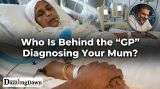
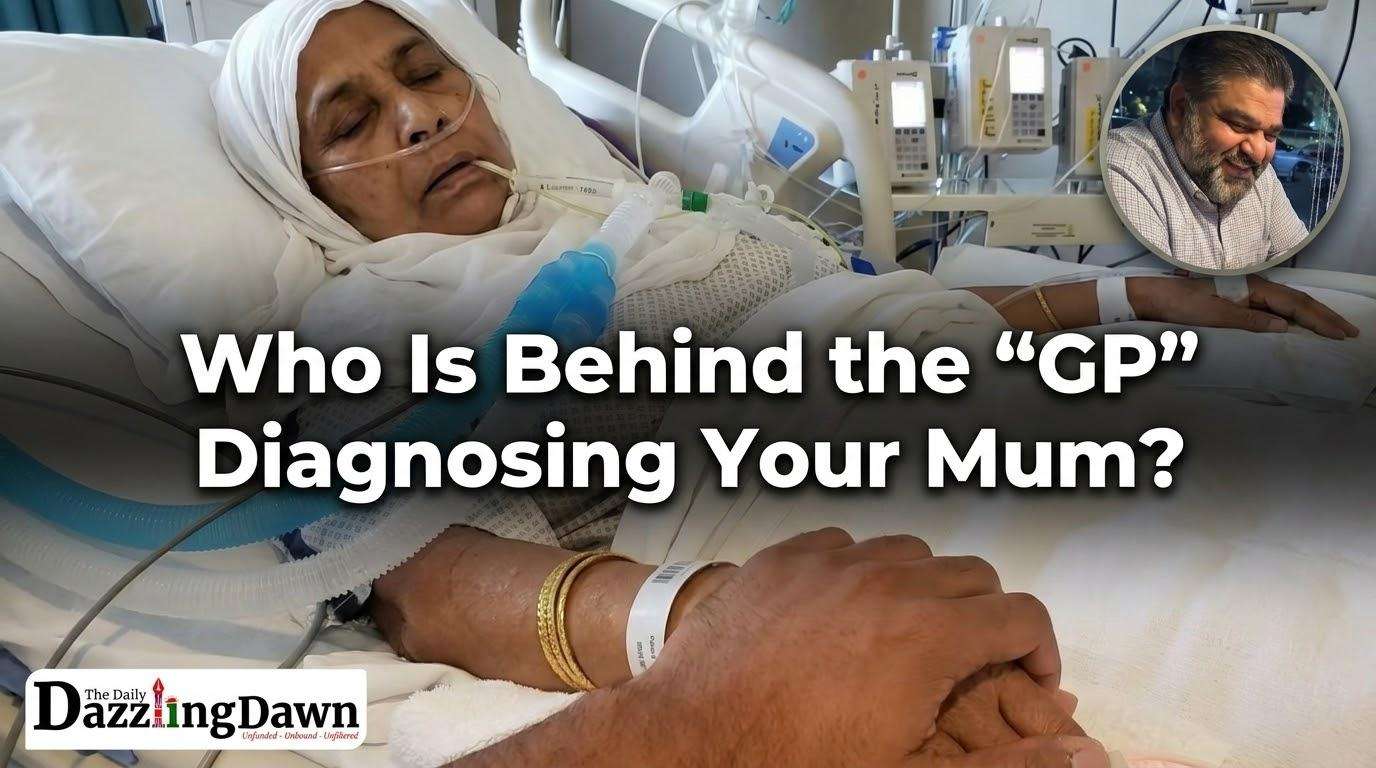
A viral digital campaign featuring an unverified individual claiming to be a seasoned British general practitioner has drawn sharp scrutiny from medical governance observers and consumer advocates. Circulating on Facebook under the name Khaled Hussain, the posts leverage well-documented cardiovascular health inequalities among British South Asian women to market commercial health supplements. The marketing copy blends verified clinical disparities—such as atypical heart disease presentations and elevated vascular risks—with an emotive narrative designed to promote proprietary dietary alternatives, raising acute concerns over patient compliance with evidence-based medications.
The digital material that surfaced across social media channels claims authorship by a 54-year-old physician practising in a predominantly South Asian community. However, public records and digital auditing by healthcare watchdogs reveal that the publishing profile is categorised merely as a personal blog, possessing minimal activity, no verifiable institutional affiliations, and fewer than eight hundred followers.
Daily Dazzling Dawn understands that deceptive health campaigns increasingly manufacture synthetic clinician personas or repurpose public imagery to construct an aura of clinical authority. By framing the text as a personal confession of systemic medical failures, the copy cultivates immediate rapport with minority audiences. Clinical governance experts speaking to Daily Dazzling Dawn warned that such promotional constructs deliberately bypass traditional peer review to establish unmerited medical credibility among vulnerable reader groups.
The primary vehicle for the promotional narrative relies on established epidemiological data concerning minority cardiovascular health. South Asian demographics in the United Kingdom face a documented higher incidence of premature coronary heart disease, often compounded by non-classical myocardial infarction symptoms such as profound fatigue, nausea, and dyspnoea that can elude standard initial triage.
Rather than signposting patients towards dedicated National Health Service pathways or structured medical reviews, the text shifts into an unverified critique of first-line pharmaceutical interventions. Daily Dazzling Dawn learned that the narrative casts doubt on proven statin therapies, such as atorvastatin, suggesting they fail to address underlying vascular issues. Independent cardiologists have stressed that while healthcare systems must continue reforming diagnostic protocols to eliminate racial and gender biases, discouraging adherence to prescribed lipid-lowering drugs introduces grave risks of catastrophic cardiovascular events.
The integration of religious terminology, filial obligations, and traditional botanical references within online advertorials represents an increasingly sophisticated strategy to circumvent advertising restrictions. By framing commercial dietary supplements as culturally aligned solutions, vendors effectively target older demographics through their adult children.
Under standards enforced by the Advertising Standards Authority and the Medicines and Healthcare products Regulatory Agency, commercial entities are strictly prohibited from publishing medicinal claims for unlicensed food supplements or deploying unverified testimonials. Healthcare professionals urge members of the public to treat anonymous social media health advice with extreme caution, recommending that any proposed changes to cardiovascular medication be addressed directly through accredited primary care practitioners rather than digital marketing campaigns.