




.svg)
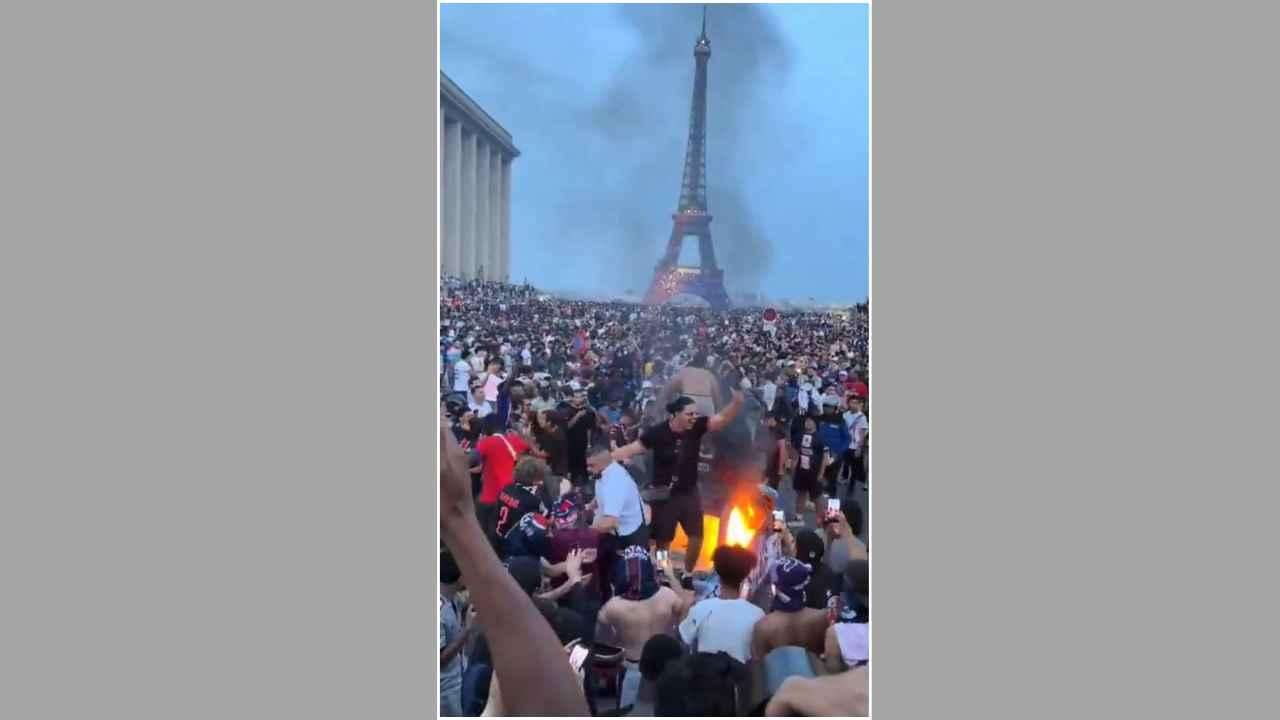
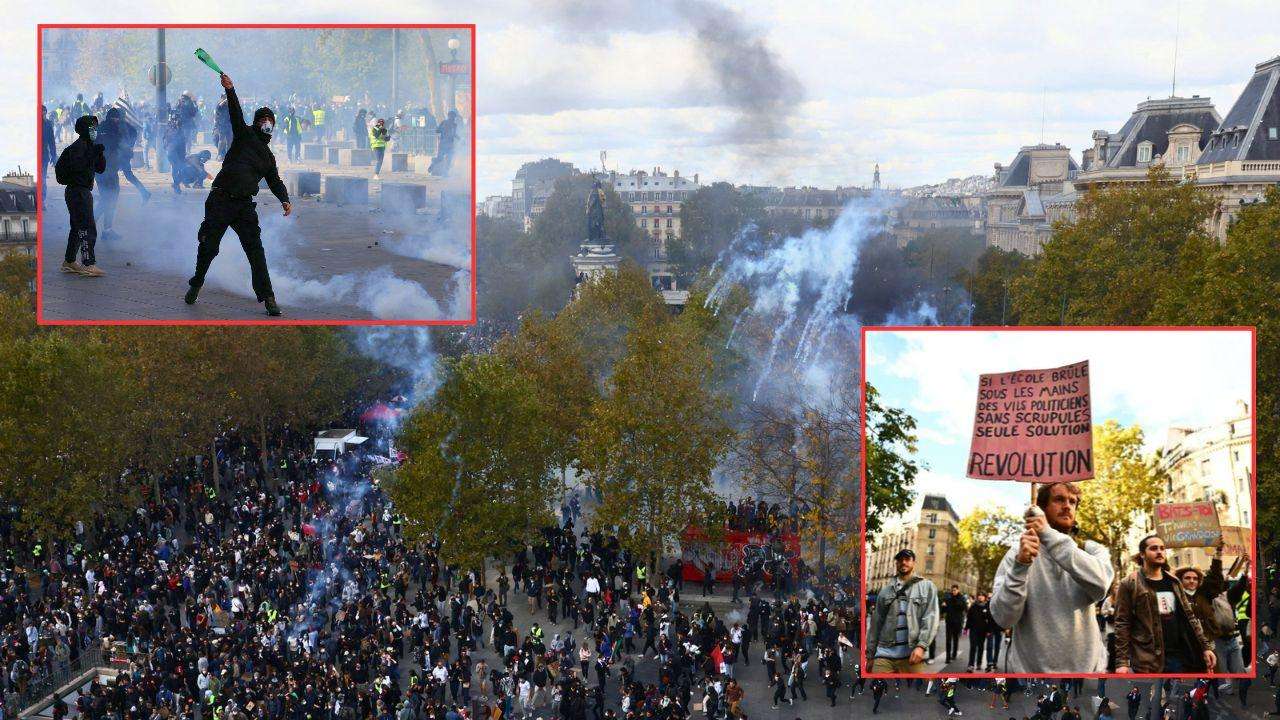
Riots broke out across France on Saturday as demonstrations over rising living costs and declining public services escalated into some of the country's worst unrest in years. The protests drew hundreds of thousands of people onto the streets, with violence erupting in several cities as groups of demonstrators attacked public buildings, looted shops and clashed with police.
In Limoges, the historic city hall was set ablaze. In Marseille, black-clad protesters broke into the city hall and vandalised the building with anarchist graffiti, although the building was not set on fire. Meanwhile, protesters set fire to the city's tourist office in Lyon.
French Prime Minister Sébastien Lecornu said the government would not be intimidated by the violence, blaming far-left groups and criminals for exploiting the unrest ahead of next year's presidential election.
In a post on X, Lecornu warned that nobody would be allowed to use violence to impose a political agenda. He made the remarks while visiting affected areas on Saturday evening, when he reported that approximately 1,200 people had been arrested in connection with the demonstrations.
Interior Minister Laurent Nuñez estimated that around 550,000 people had participated in protests across France. The demonstrations were largely peaceful in many areas, although violent groups were responsible for attacks on public buildings, businesses and police officers.
President Emmanuel Macron vowed to prosecute those responsible for the attacks. He said the country must stand united against individuals seeking to undermine public institutions and prevent people from peacefully expressing their demands.
The unrest also spread beyond France, with smaller demonstrations and clashes reported in Belgium, Portugal and Italy. In Albania, students continued protests against alleged government corruption, a lack of employment opportunities and poor education standards.
Many demonstrators said the majority of participants had marched peacefully and blamed a minority of troublemakers for the violence. Protesters carried signs criticising the police, the president and wealthy sections of society.
Lola, a 19-year-old demonstrator in Paris, said people were protesting because of the high cost of living, rising fuel prices and concerns about conditions in schools. She also raised concerns about students being injured during protests and called for more teachers and better learning facilities.
Most demonstrations began around midday on Saturday, although some started before the officially scheduled time.
In parts of Paris, police fired tear gas as they faced groups of mostly young protesters. Many wore black clothing, hooded tops, masks and protective goggles to shield themselves from tear gas during confrontations.
Violent demonstrators attempted to break into the Galeries Lafayette department store, damaged banks and ransacked a Lacoste outlet and other boutiques. An SFR mobile phone shop was also looted. Fires were reported throughout the day, with numerous cars and other objects set ablaze.
In Brussels, several hundred mostly young people took part in demonstrations, with some clashing with police. Belgian student groups said they were protesting against rising education costs and reforms they feared could make higher education less accessible.
In Albania, police fired what appeared to be rubber bullets at protesters during a fifth consecutive day of mass student demonstrations calling for Prime Minister Edi Rama to resign.
In Portugal, tens of thousands of people took to the streets of Lisbon to protest against housing costs and other living expenses following days of unrest. Housing prices in the country have doubled since 2017, contributing to one of Europe's most serious housing affordability crises.
In Italy, a demonstration against the rising cost of living in Milan descended into disorder, prompting police to use tear gas to clear the central cathedral square. In Bologna, police deployed water cannons to disperse crowds and arrested seven people after another protest turned violent, the ANSA news agency reported.
The demonstrations in France began last month at secondary schools in working-class northern suburbs of Paris. Anger over teacher shortages and inadequate school facilities gradually developed into a wider movement focused on inequality, public spending and living standards.
In Paris, protesters wearing high-visibility vests blocked streets, recalling the Yellow Vest movement that challenged Macron's government during his previous term in office.
Saturday's demonstrations attracted larger crowds than those seen at the height of the Yellow Vest movement, although participation remained below the levels recorded during the 2023 protests against Macron's pension reforms.
Macron is approaching the final months of his presidency amid growing political divisions and mounting economic pressure. The government's efforts to reduce public debt have failed to reassure investors, pushing French government borrowing costs to their highest levels in more than two decades.
Police tactics have also come under scrutiny following reports of injuries among demonstrators. One case involved a teenager who lost a hand after reportedly picking up a stun grenade. The police watchdog is investigating at least two dozen allegations of police violence.
Lecornu said more than 150 police officers had been injured during Saturday's demonstrations but did not provide a figure for injured protesters.
Nuñez confirmed reports that one person had lost a hand during clashes with police. French media reported that the individual had attempted to pick up a stun grenade.
The UNSA police union posted footage on X showing crowds attacking police vans with clubs and bricks at several locations. The union warned that police forces were approaching breaking point amid the violence.
In a statement, the union said officers across France had been struck by stones, injured and caught in what it described as ambushes. It called on those responsible to take action, warning that the pressure on police personnel could not continue indefinitely.
The demonstrations have intensified concerns over France's economic outlook, public security and political stability as the country approaches its next presidential election. What began with demands for better education and public services has grown into a broader expression of frustration over rising living costs, inequality and confidence in the country's political institutions.