





.svg)
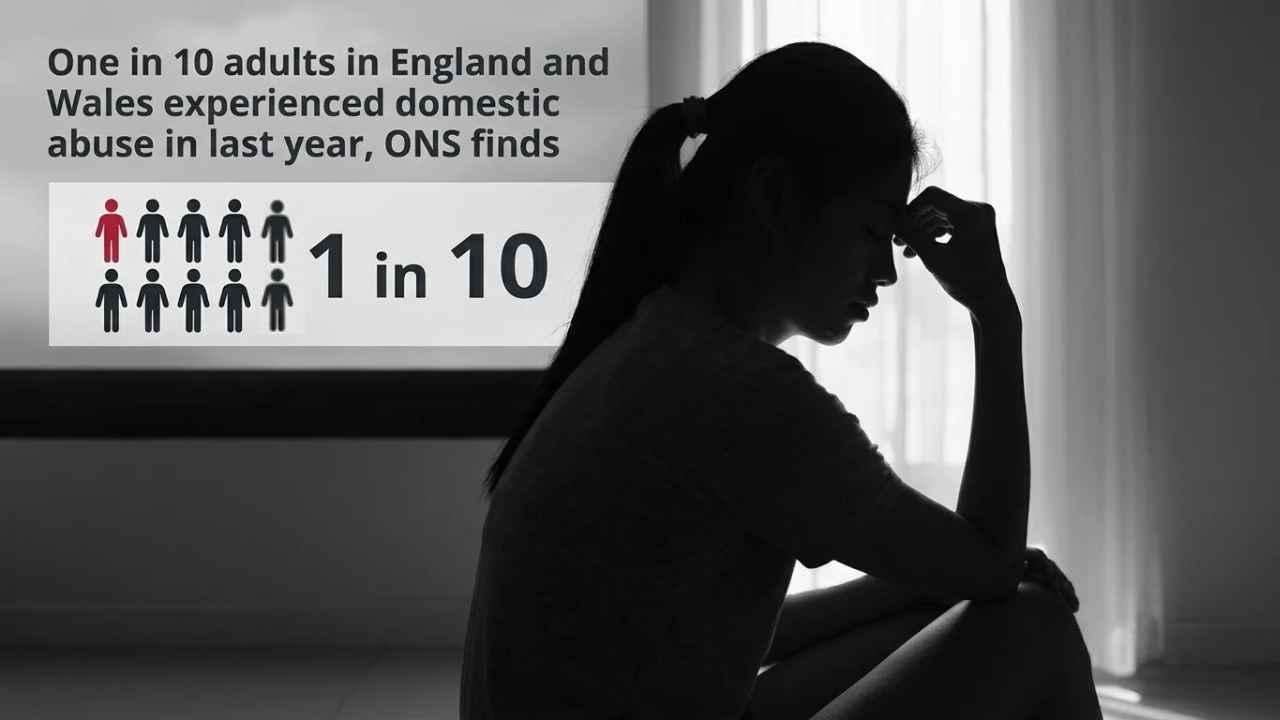
Around 4.7 million adults in England and Wales experienced domestic abuse in the year ending March 2026, according to estimates published by the Office for National Statistics (ONS).
The figures suggest that approximately one in 10 people aged 16 and over experienced domestic abuse during the period, highlighting the continuing scale of abuse and the need for accessible support for survivors.
The latest estimates indicate an increase from the previous reported figures. However, the ONS has cautioned that changes to the survey questions and the uncertainty surrounding the estimates must be considered when interpreting the results.
The ONS data indicate that the increase was largely associated with abuse involving intimate partners. By contrast, the estimated change in abuse by family members was small and was not statistically significant.
Domestic abuse can take different forms, including physical, emotional, psychological, sexual and economic abuse. It may occur within current or former relationships and can affect people from different backgrounds.
The figures underline the importance of recognising abuse beyond physical violence and ensuring that people can access confidential advice and practical assistance when they need it.
The ONS estimates that 5.3 million adults, or 10.9 per cent of the adult population, experienced domestic abuse, sexual victimisation or stalking during the year.
The figures also estimate that approximately one million adults experienced sexual victimisation, while around 1.9 million experienced stalking.
These categories cover different experiences and should not be treated as interchangeable. The ONS has noted that changes to the questions used in the survey affect comparisons with some earlier data.
The estimates also show differences between women and men. Around 3.2 million women, or 12.8 per cent, experienced domestic abuse, sexual victimisation or stalking, compared with approximately 2.1 million men, or 8.9 per cent.
The UK Government has pledged to halve violence against women and girls within a decade, with a target of 2034. The latest estimates are likely to intensify discussion about prevention, early intervention and the availability of services for people affected by abuse.
Domestic abuse organisations, including Refuge, Women’s Aid and Surviving Economic Abuse, have called for sustained investment and support for survivors.
Specialist organisations provide different forms of assistance, including confidential advice, safety planning, refuge accommodation and help for people experiencing economic abuse. Access to these services can be particularly important for those who face financial barriers or are concerned about the consequences of leaving an abusive relationship.
The ONS has emphasised that survey changes and statistical uncertainty should be taken into account when interpreting the latest estimates. Although its assessment indicates that the rise includes a real change, additional data points will be needed to establish the longer-term trend more clearly.
The figures provide an important measure of the experiences reported by adults in England and Wales, but they do not capture every individual circumstance. People experiencing abuse may face barriers to disclosure or accessing support.
For anyone affected by domestic abuse in the UK, the National Domestic Abuse Helpline is available on 0808 2000 247. People can also seek information and support through the Women’s Aid website.