




.svg)
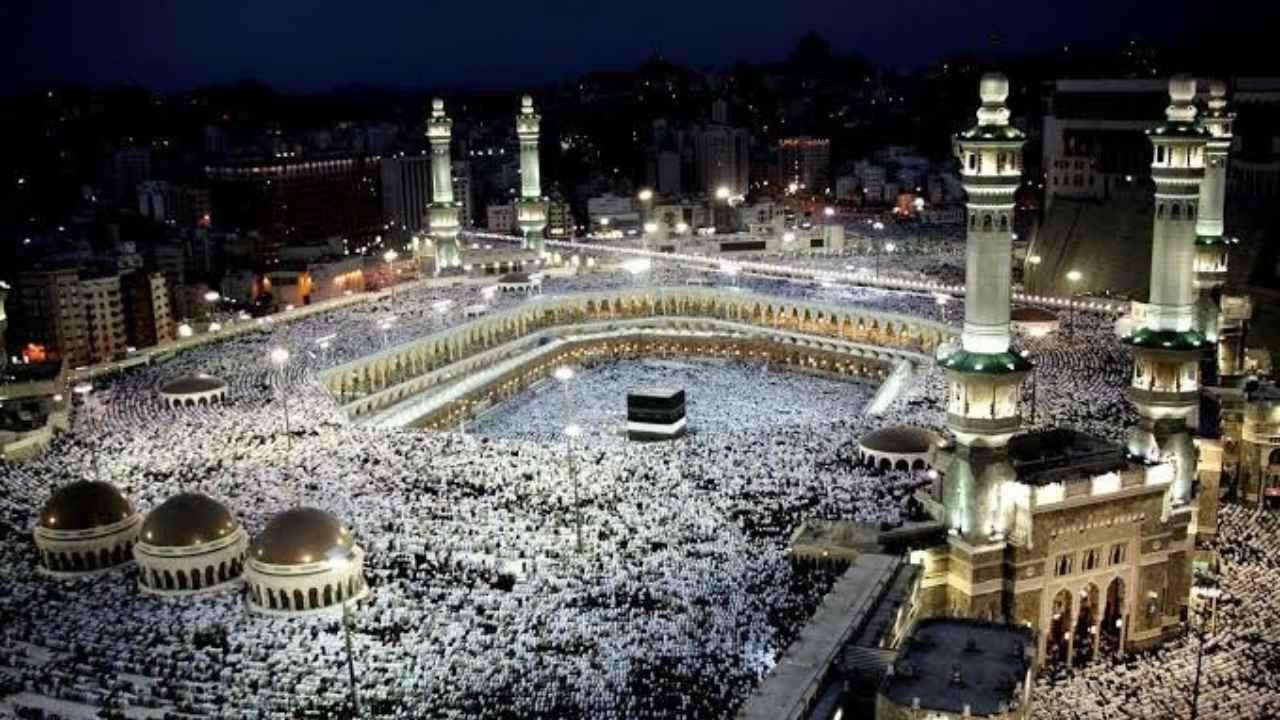
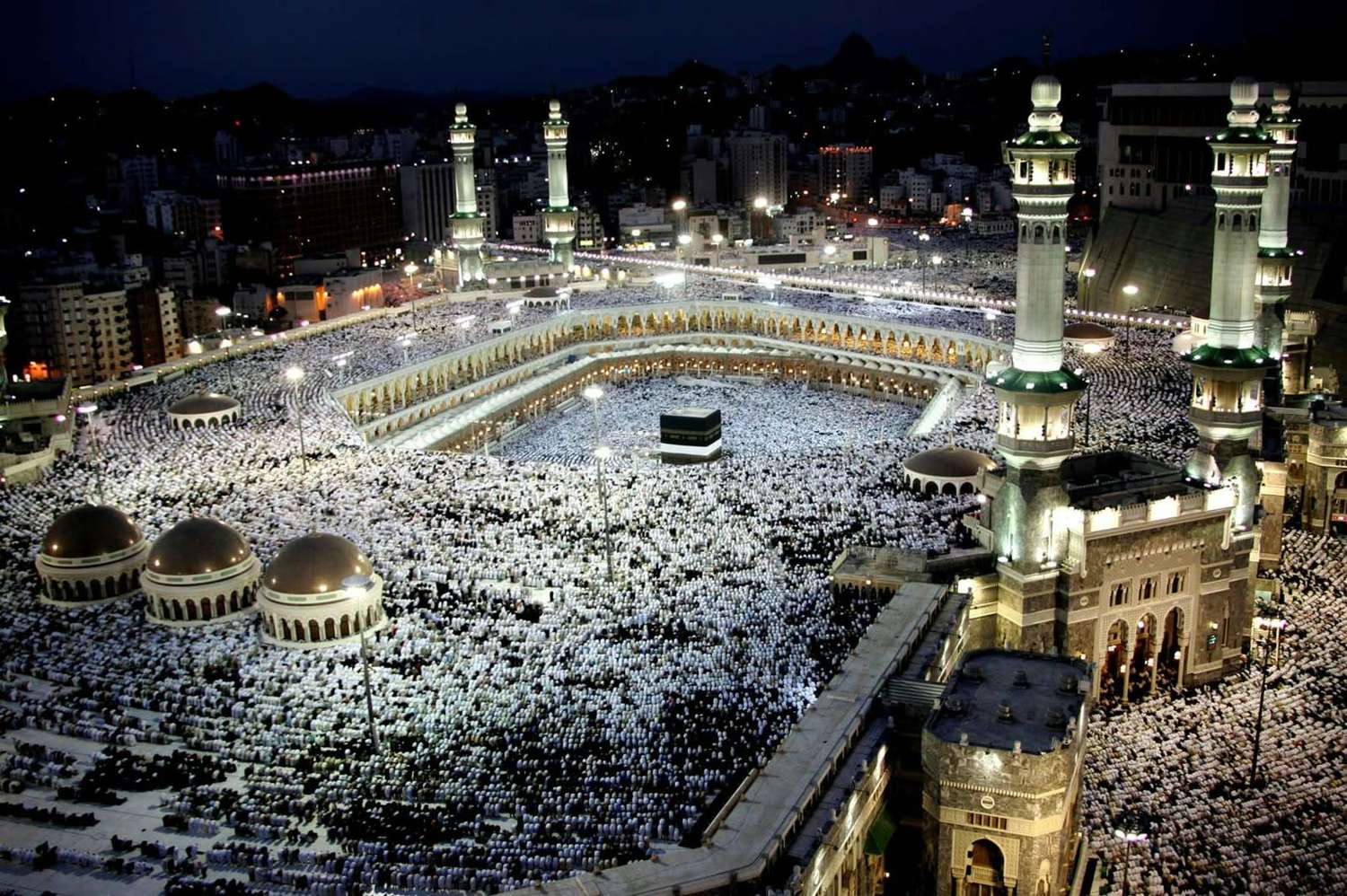
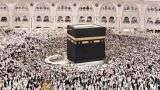
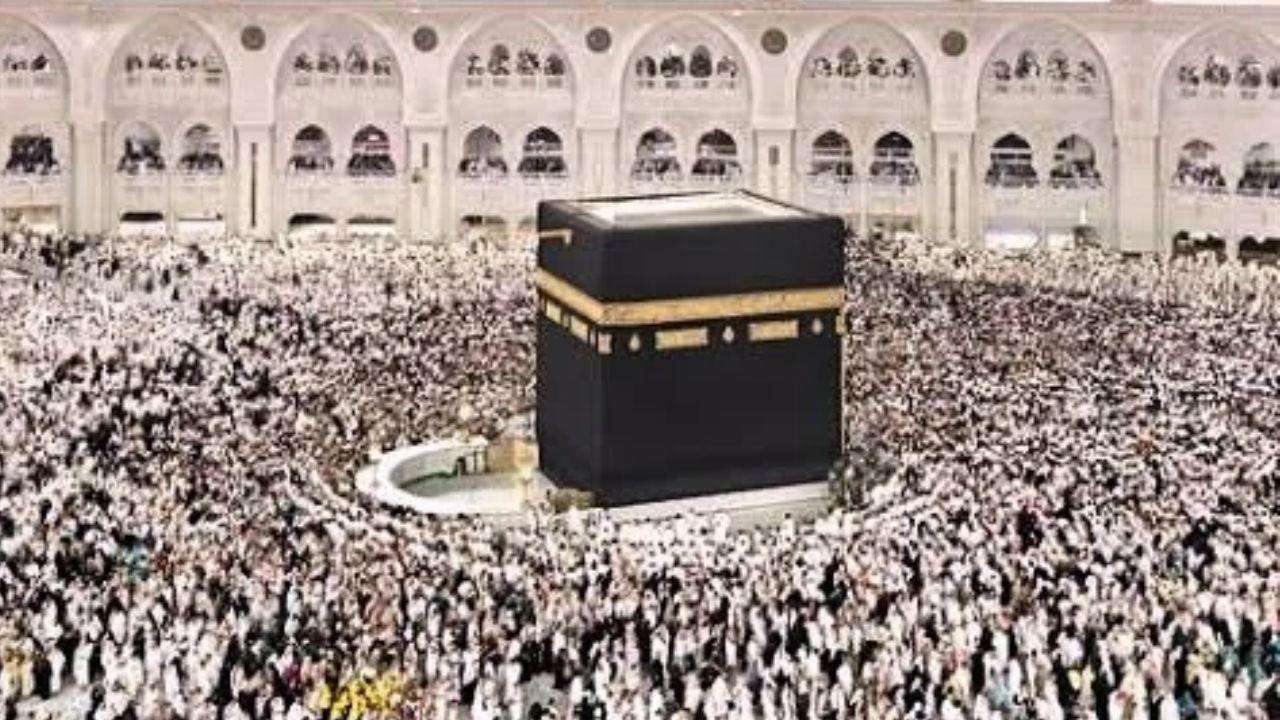
Saudi Arabia has intensified regulatory enforcement across its religious tourism sector, suspending four domestic pilgrimage operators and disciplining four international intermediaries to protect the safety and dignity of worshippers performing Umrah in Makkah. The Ministry of Hajj and Umrah confirmed the decisive disciplinary measures following intensive monitoring operations that uncovered unauthorised pilgrim housing, immediately referring the offending parties to the Committee for Reviewing Pilgrims' Complaints for formal statutory penalties. The intervention directly advances the objectives of the Kingdom’s Pilgrim Experience Programme, a flagship initiative under the Vision 2030 modernisation blueprint tasked with elevating hospitality standards for overseas visitors. With foreign pilgrim arrivals reaching 18.03 million over the past year, authorities are synchronising aggressive field inspections with nationwide digital platforms to guarantee that every worshipper receives licensed, high-standard services.
The Ministry of Hajj and Umrah confirmed that all commercial enterprises operating within the pilgrimage ecosystem remain under relentless digital scrutiny and unannounced field inspections. Housing pilgrims in unlicensed lodgings breaches foundational safety regulations and compromises worshipper welfare. Daily Dazzling Dawn understands that the suspended operators accommodated arriving overseas visitors in substandard residential buildings that failed to obtain mandatory hospitality licences and civil defence safety certifications. By initiating proceedings before the statutory complaints tribunal, regulatory authorities have signalled a zero-tolerance stance against rogue operators who exploit pilgrims. Ministry spokespersons told journalists that digital and physical tracking networks will operate without interruption throughout the entire Umrah season, which remains open until 7 April, roughly five weeks prior to the annual Hajj pilgrimage.
These uncompromising disciplinary actions accompany widespread policy reforms designed to broaden international access while strengthening consumer safeguards. The Kingdom introduced a comprehensive multi-entry Umrah visa framework that permits overseas worshippers to visit Saudi Arabia repeatedly within a single twelve-month window, granting an aggregate stay of up to ninety days. In tandem with this operational flexibility, pilgrimage authorisations have been expanded across multiple travel permits, allowing international visitors arriving on ordinary tourist, family visit, or commercial visas to carry out their rites in Makkah alongside dedicated Umrah permit holders.
The targeted crackdown reflects a wider transformation within the international pilgrimage sector, where integrated digital portals are actively dismantling informal booking arrangements. Market records reveal that of the 18.03 million foreign worshippers arriving in the Kingdom in 2025, approximately 15.03 million entry visas were issued, of which 12.44 million were dedicated Umrah permits. This critical discrepancy demonstrates how radically pilgrim purchasing patterns have shifted, with millions of travellers now distributing their expenditures across direct digital bookings, international commercial aggregators, and approved tour companies verified by the government.
This operational shift has reshaped primary source markets such as Egypt. Analytical data from the Pilgrim Experience Programme highlights that while 2.76 million Egyptian pilgrims performed Umrah in 2024, only 30 per cent entered via dedicated pilgrimage documents, with the remaining majority entering through flexible commercial visit channels. By 2025, robust regulatory standardisation increased dedicated Umrah visas issued to Egyptian citizens to 1.37 million, marking a decisive realignment toward protected, formal channels. Daily Dazzling Dawn learned that this movement was accelerated by the mandatory Nusuk Masar platform, which obliges international agencies and domestic Saudi hospitality providers to validate and log accommodation contracts electronically before travel visas can be issued.
Channeling booking flows through fully transparent, verifiable digital infrastructure forms the cornerstone of Saudi Arabia’s strategic objective to welcome 30 million international Umrah pilgrims annually by 2030. Escalating arrival volumes inevitably generates substantial demand for regional aviation, mass rail networks, and urban accommodation across western Saudi Arabia. High-capacity real estate developers, including Jabal Omar Development Company in Makkah, and leading leisure conglomerates like Seera Group depend increasingly on verified, centrally monitored booking systems to balance peak seasonal density with reliable service delivery.
Market analysts note that while self-directed online booking provides unprecedented convenience and autonomy, fully licensed travel intermediaries remain essential for complex itineraries, emergency amendments, and consumer recourse when logistical problems emerge. Regulators have made clear that expanding pilgrim headcounts cannot come at the expense of safety or spiritual well-being. By penalising non-compliant operators, auditing housing stock, and directing all travel transactions through official digital gateways, Saudi Arabia is safeguarding the pilgrimage experience and ensuring long-term institutional protection for every guest journeying to the holy cities.

.jpg)