






.svg)
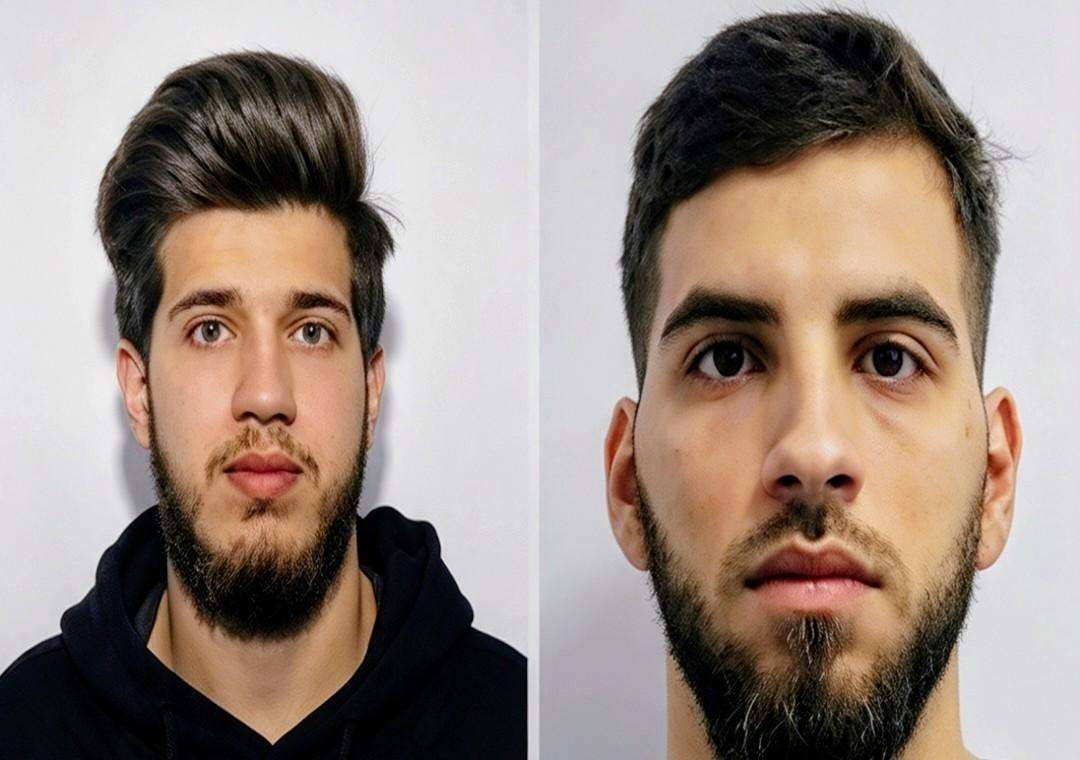
Two Stockport men who filmed themselves raping a semi-conscious teenager and laughed throughout the attack have been jailed for 15 years each and now face automatic deportation after serving their sentences. Hadi Khangheshlaghi, 25, of Alvanley Crescent in Stockport, and Armin Takhfifi, 26, of Wellington Road North in Stockport, were sentenced at Manchester Crown Court on Tuesday 10 November 2026 for two counts of rape apiece. Neither holds UK citizenship. Both have indefinite leave to remain. Judge Tom Gilbart confirmed each may be liable for automatic deportation upon release.
The offences were committed in 2019, when Khangheshlaghi was 18 and Takhfifi 19. The complainant was 17. Seven years separated the attack from the sentence. Daily Dazzling Dawn understands that part of that delay was attributed to the complainant's deteriorating mental health, which the court heard had been severely affected by the assault. In the days after the attack, Khangheshlaghi telephoned the teenager in an attempt to discourage her from reporting the matter to Greater Manchester Police. When Takhfifi was arrested, he provided officers with a mobile telephone that had been in use for only a few hours.
Prosecutor Richard Littler KC told the court that the complainant, then 17 and visiting a friend in Manchester, had consumed alcohol and cannabis at an Airbnb party before feeling drowsy. Khangheshlaghi and Takhfifi led her by the hand into a bedroom, barricaded the door, undressed her, moved her around the bed into differing positions and raped her twice each while filming the assault on their telephones. They called her degrading names and laughed as they attacked her.
Daily Dazzling Dawn learned that her friend entered the room and protested that the complainant was too drunk for the encounter to continue. The friend was led out. The door was blocked. The men resumed. The friend forced her way back in a second time. The teenager was woken only by water thrown into her face. A torch was shone at her during the assault, the recording continuing as she was attacked. A medical examination later identified internal injuries and lacerations. Closed-circuit television captured her leaving the building shaking and crying.
Judge Gilbart singled out the intervening witness for praise, describing her as displaying tremendous determination and bravery in forcing her way back into the room more than once. The judge observed that footage of the complainant's departure from the flat was entirely consistent with her account and inconsistent with the defence case that the encounter had been consensual.
Siôn ap Mihangel, representing Khangheshlaghi, advanced his client's relative youth and lack of maturity as mitigating factors, and read a letter from the defendant's parents describing their own frailties alongside the physical and financial support their son provides. Andrea Lock, for Takhfifi, sought a reduction on account of delay and spoke of the effect proceedings had exerted on the defendant and his family. Both men were presented as being of previous good character, with no offending in the last seven years and established histories of study and work.
Judge Gilbart declined to treat those submissions as a counterweight to the offences. He found that Takhfifi did not accept his guilt, exhibited a sense of entitlement and demonstrated poor awareness of the impact on the complainant. Khangheshlaghi, the judge concluded, had thought he could act as he pleased, showed no remorse or concern for the victim, and was critical of her. An eleventh-hour application to adjourn sentencing so that a report could be obtained on Takhfifi's mental health was dismissed. The judge noted that the complainant approached the hearing with hope of a conclusion and that postponement would be unnecessary and disproportionate.
The application for restraining orders was refused on the basis that neither man had contacted the complainant since the incident and neither had reoffended in the intervening period. Both will instead be required to keep police informed of their addresses and of any change of name following release. Each must serve at least two-thirds of the 15-year term before being considered for release on licence.
Detective Constable Mike Taylor of Greater Manchester Police said the complainant had shown extraordinary courage and resilience throughout a lengthy and often challenging criminal justice process, and that no sentence could undo the harm she has suffered. He added that to take advantage of someone in such a vulnerable state, and then spend years denying responsibility without genuine remorse, was truly abhorrent.
The complainant said in her statement that the incident had stripped her of her dignity, identity and sense of self, that she could not simply return to the person she was before, and that the consequences had extended into her wellbeing, relationships, independence and sense of security.





.jpg)