


.svg)
This October marks 90 years since the Battle of Cable Street. It was a moment in our country’s history. People from different communities and backgrounds came together to stand against facism and racism in the East End and across the country. Less than three years later, Britain was at war with fascism, continuing the fight for Europe’s freedom, democracy and liberty.
On October 4th 1936, over 100,000 East Londoners took to the streets to prevent Oswald Mosley’s British Union of Fascists from marching through the heart of the East End. Around 3,000 fascists gathered near the Tower of London, but they were met by a huge counter-demonstration. Barricades were erected on Cable Street and the surrounding streets, as Jewish residents, Irish dockers, trade unionists, socialists, communists and other local people stood together to prevent the march from passing. After hours of clashes, the police were unable to clear a route and the fascists were forced to abandon their planned march through the East End.
At a time when fascism and antisemitism was spreading across Europe, the same destructive politics was threatening to cause the same devastation here in the UK. But people in the East End demonstrated the power of solidarity. Different communities came together: the Jewish community, the old East Enders, the Irish community and members of the trade unions and the Labour Party. The events of October 4th 1936 became a defining moment in Britain’s history of resistance to fascism, showing that ordinary people from different backgrounds could come together to defend their neighbours and their shared community.
The Jewish community has always played a huge role in shaping the identity of the East End, which has always been the proud home to different waves of migration over hundreds of years including the Huguenots, Irish, Jewish, Somali and Bengali populations. This is perhaps best illustrated by Brick Lane Mosque, which was built by the Huguenots for Christian worshippers, became a synagogue in the late 19th Century for the many Jews fleeing persecution in Europe, as a place of worship for Muslims. It is thought to be one of the few buildings in the world to have served as a church, synagogue and a mosque.
Just as the East End was once targeted by the far-right for its Jewish population, it is now being targeted by the far-right for its Muslim population. In recent months and years the East End has been the target of numerous hostile and racist political campaigns. The Battle of Cable Street shows us how collective action can bring communities together in the face of threats from far-right extremists, and what can be achieved by partnerships between different communities.
---
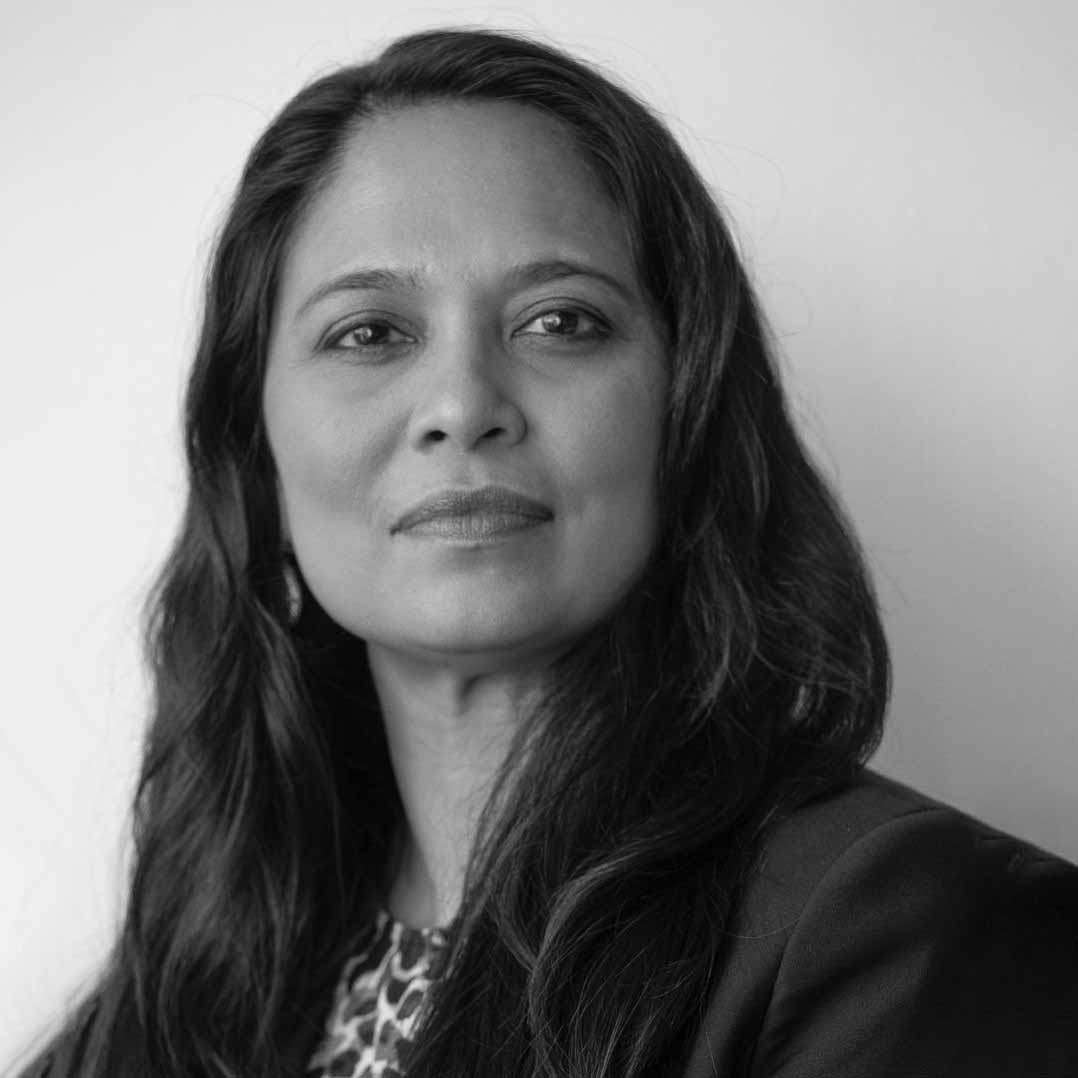
Author: Rushanara Ali
Labour Member of Parliament for Bethnal Green and Stepney